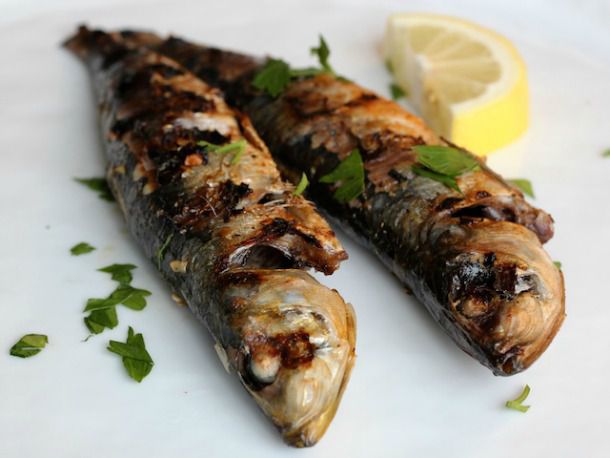
About Sardines
Sardines are small fish commonly eaten fresh or canned. They are known for being one of the most nutrient-dense seafood options.
Sardines are often consumed whole, including bones, which provide calcium.
How Many Calories Are in Sardines?
Sardines contain around 208 calories per 100 grams, depending on whether they are fresh or canned in oil.
Sardines Nutrition Facts (per 100g)
| Calories | 208 kcal |
| Protein | 25 g |
| Fat | 11 g |
| Carbohydrates | 0 g |
| Fiber | 0 g |
| Sugar | 0 g |
| Water | 60% |
Vitamins and Minerals
- Vitamin B12 - 8.9 mcg
- Vitamin D - 7 mcg
- Calcium - 380 mg
- Selenium - 52 mcg
- Phosphorus - 490 mg
Health Benefits of Sardines
- Rich in omega-3 fatty acids
- Supports heart health
- High in calcium
- Strengthens bones
- High in protein
- Supports brain function
Calories in Different Portions
- 100g sardines - 208 kcal
- 1 can sardines - ~220 kcal
- Grilled sardines (100g) - ~200 kcal
- Sardines in oil (100g) - ~250 kcal
Popular Sardine Dishes
- Sardines on toast
- Grilled sardines
- Sardine salad
- Pasta with sardines
- Canned sardine meals
- Mediterranean dishes
Are Sardines Good for Weight Loss?
Yes. Sardines provide protein and healthy fats, helping you stay full longer, which can support weight management.
Additional Facts
- Very nutrient-dense fish
- Often eaten whole
- Rich in healthy fats
- Affordable and widely available
Possible Downsides
Sardines can be high in sodium when canned. It is best to choose low-sodium options when possible.
FAQ
Are sardines healthy?
Yes, they are one of the healthiest fish.
How much protein is in sardines?
About 25g per 100g.
Can I eat sardines every day?
Yes, in moderate amounts.