Low Carb
The diet reduces carbohydrates so meals focus more on protein, fats, and vegetables.
The Atkins diet is a popular low-carb eating plan designed to help the body use fat for energy by reducing carbohydrate intake. It is known for its structured phases and focus on protein-rich and low-carb foods.
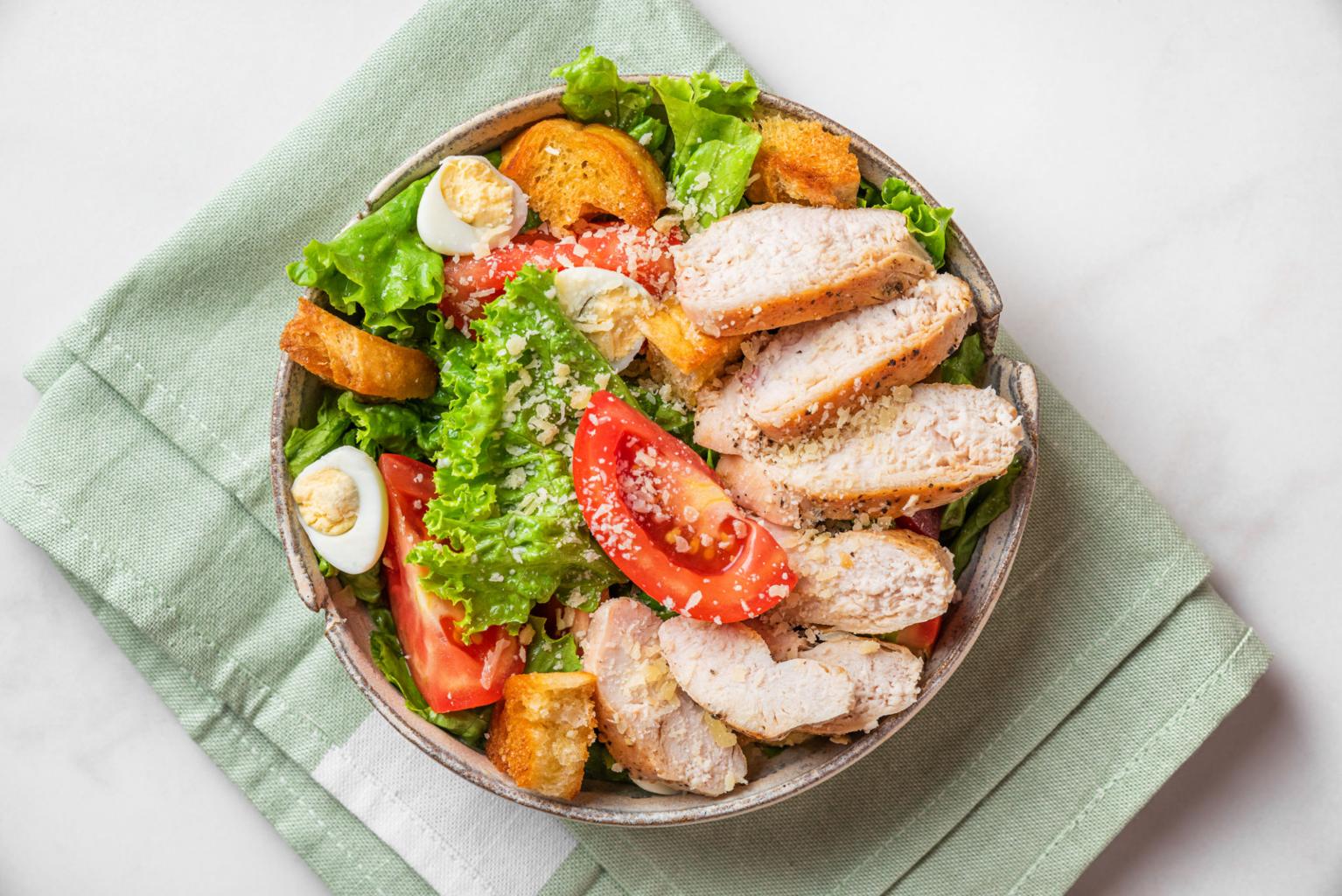
The Atkins diet is a low-carbohydrate diet that limits foods like bread, pasta, sugar, and many starchy foods. Instead, it focuses on protein, healthy fats, and low-carb vegetables. The goal is to help the body rely more on fat for energy and support weight loss.
The diet reduces carbohydrates so meals focus more on protein, fats, and vegetables.
Atkins uses different phases to gradually increase carbs as you progress.
It has been one of the best-known low-carb diets for many years.
Very Low Carb Start
This is the strictest phase. Carbs are kept very low to help the body switch toward fat burning.
Slow Carb Increase
Small amounts of extra carbs are added back, such as nuts, berries, and more vegetables.
Find Your Carb Level
Carbs are increased more carefully while watching how your body weight responds.
Long-Term Eating
This phase is about maintaining your weight with a carb level that works for you.
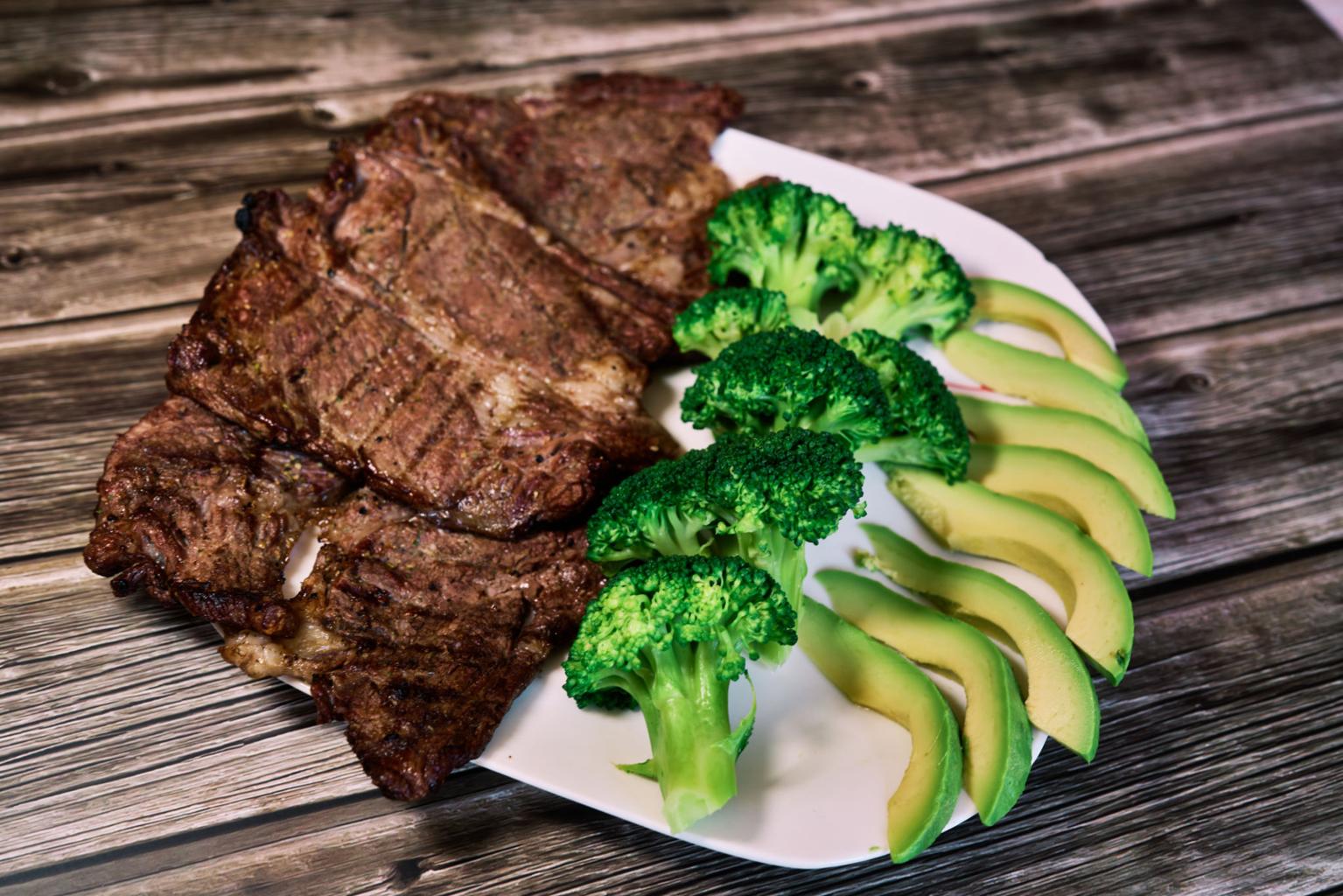
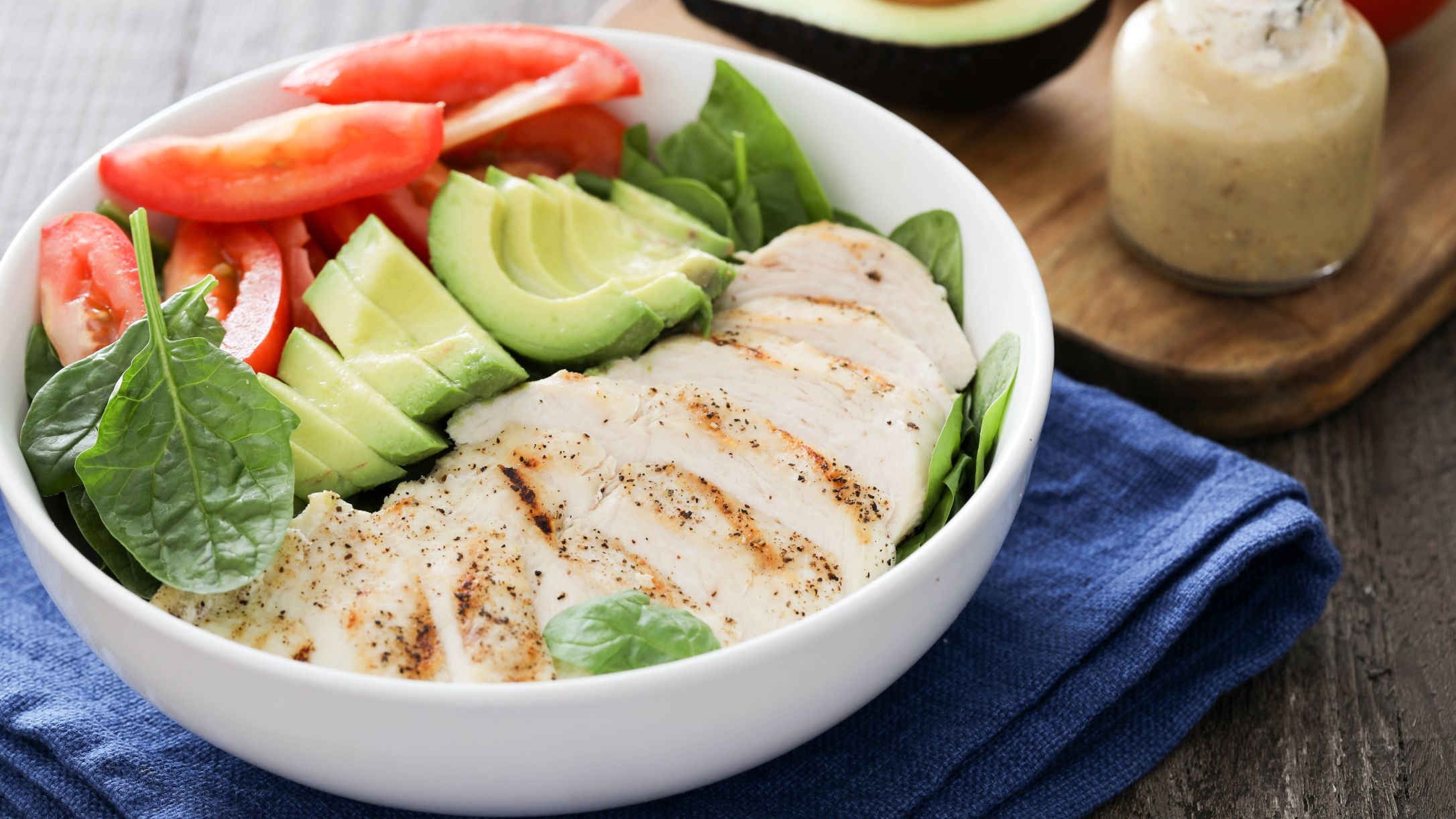
Many people choose Atkins because it may help reduce body fat and control appetite.
The main focus is clear: lower carbs and choose filling foods like protein and fats.
The later phases are designed to help people find a sustainable carb level.

Scrambled eggs with cheese and avocado.
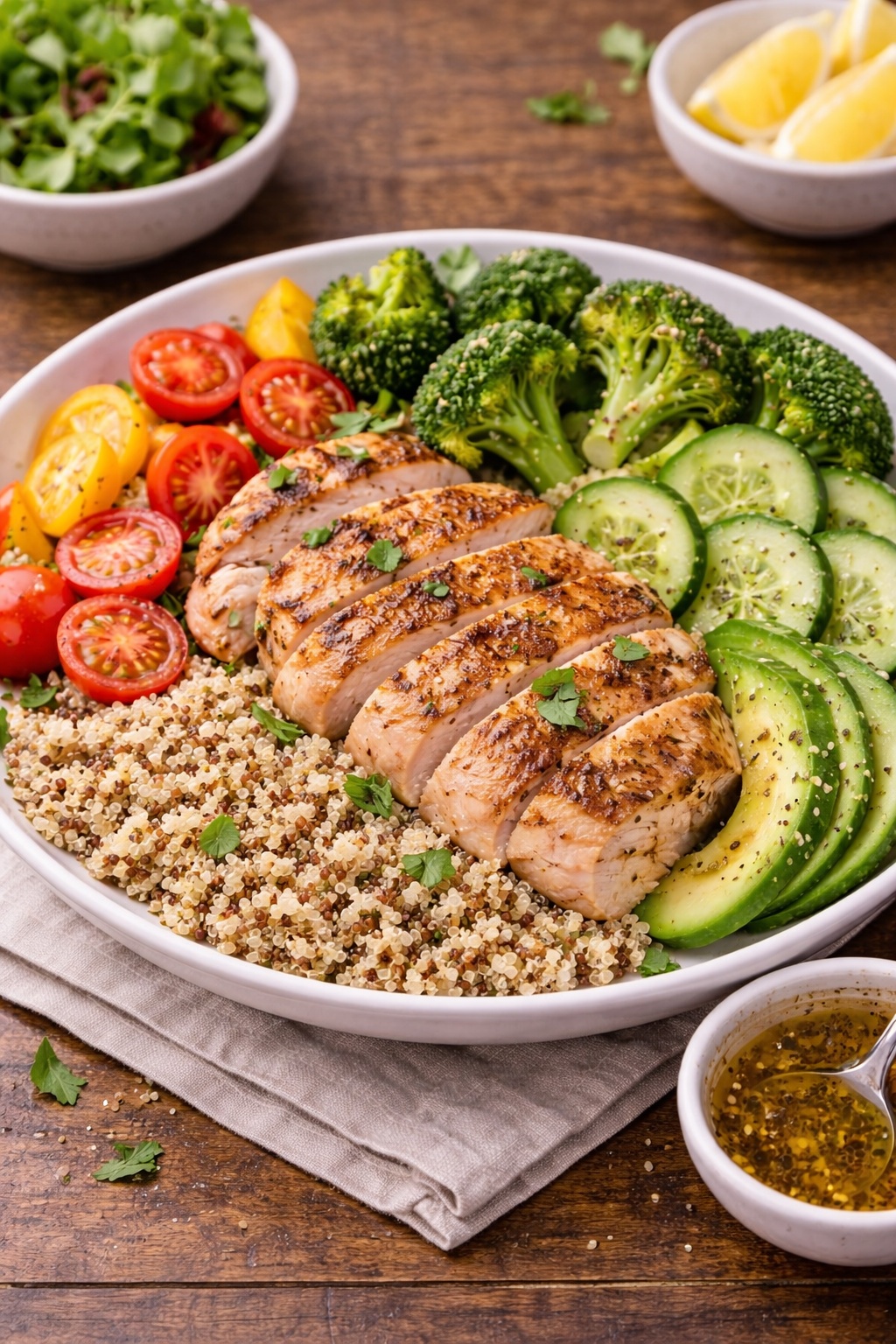
Grilled chicken salad with olive oil dressing.
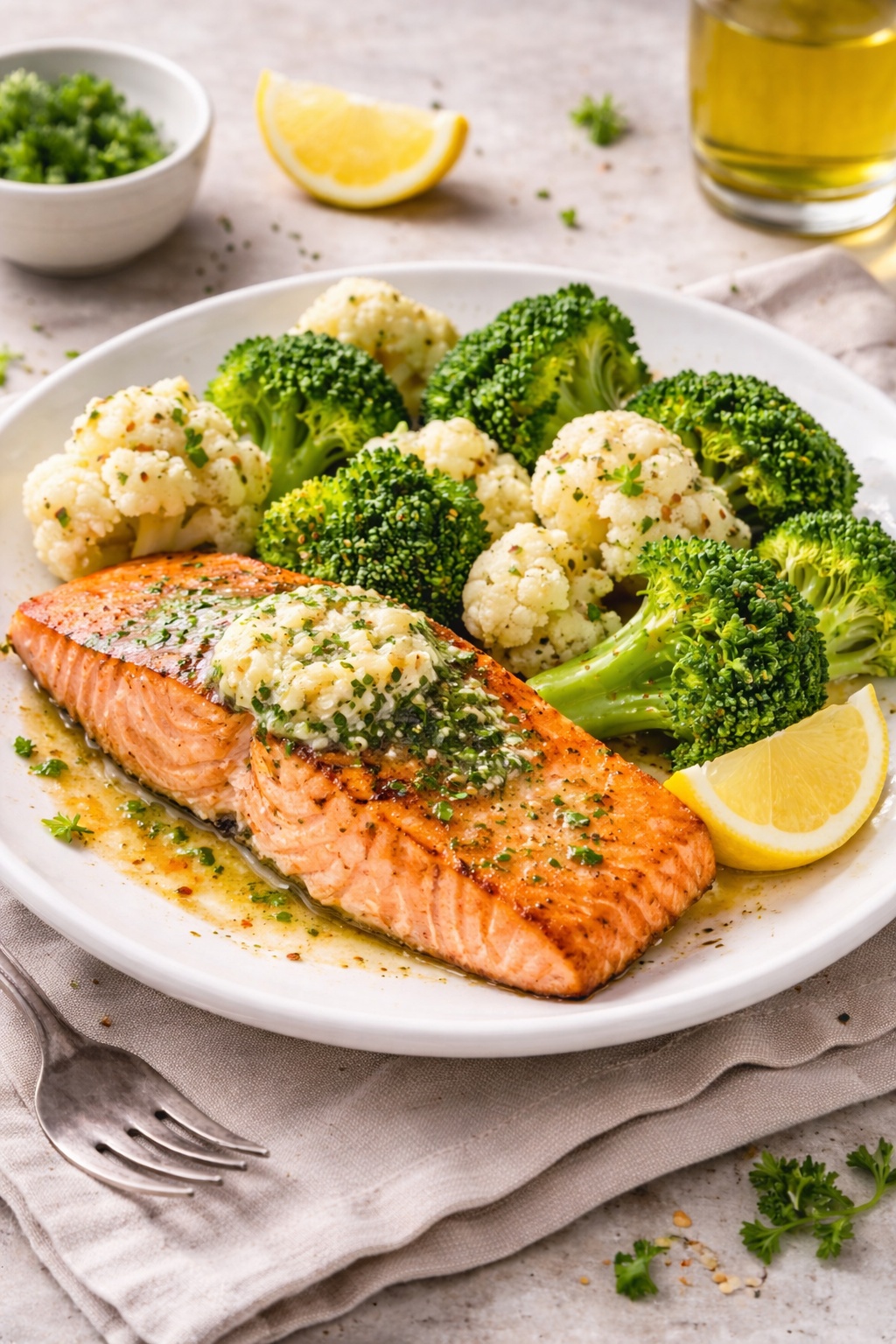
Salmon with butter, broccoli, and cauliflower.

A handful of nuts or celery with cream cheese.
Not exactly. Both are low-carb diets, but Atkins uses phases and usually becomes less strict over time.
Yes, many people use Atkins for weight loss because it limits carbs and focuses on filling foods.
In the early phases, fruit is often limited. In later phases, some fruits may be added back in small amounts.
Not always, but tracking calories can still help if your main goal is fat loss.