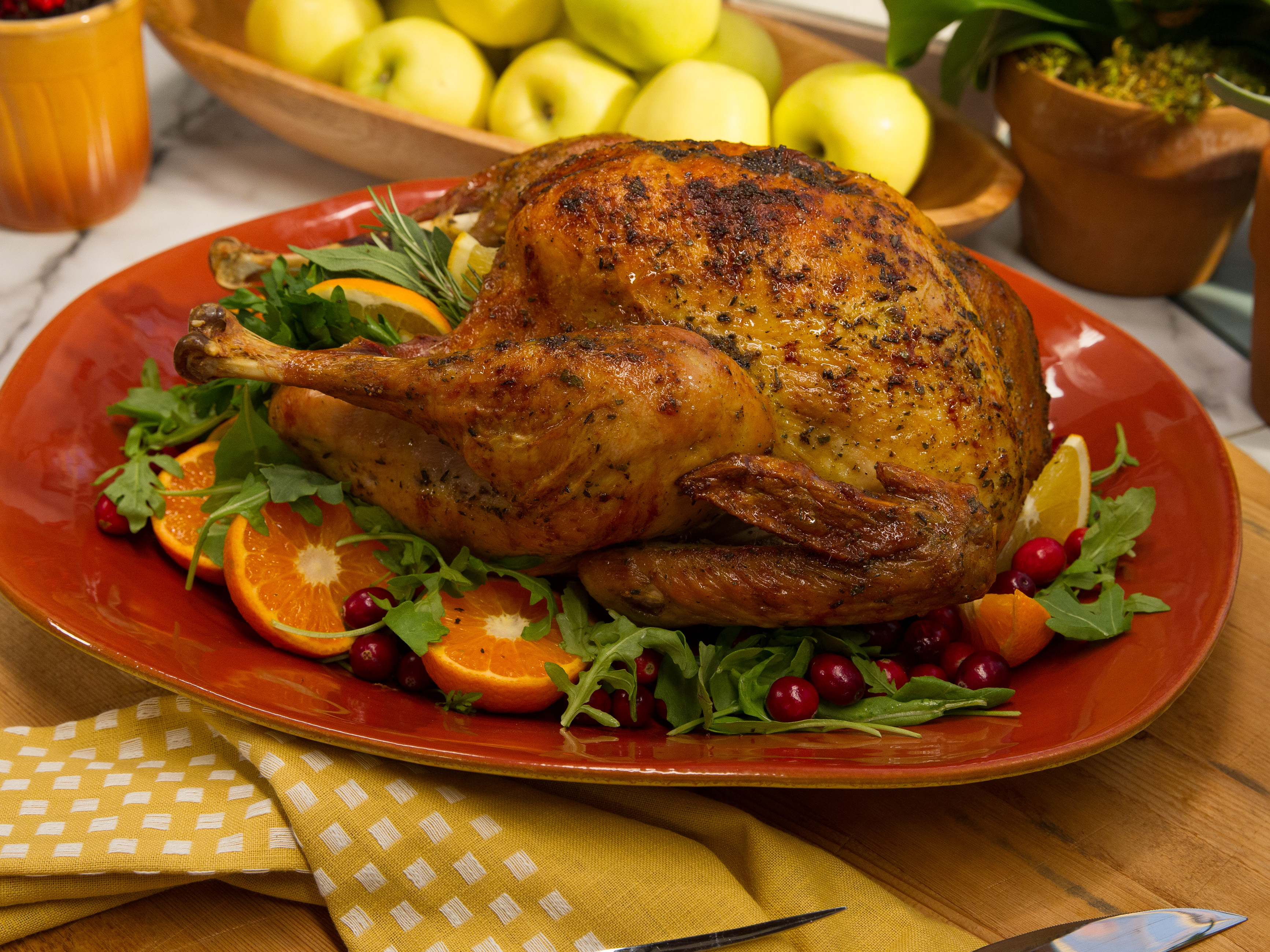
About Turkey
Turkey is a popular white meat, especially known for being low in fat and high in protein. It is commonly eaten roasted, grilled, or used in sandwiches.
It is often included in healthy and fitness diets due to its lean nature and nutrient density.
How Many Calories Are in Turkey?
Turkey contains around 135 calories per 100 grams (skinless). Turkey with skin has more fat and calories.
Turkey Nutrition Facts (per 100g)
| Calories | 135 kcal |
| Protein | 29 g |
| Fat | 1 g |
| Carbohydrates | 0 g |
| Fiber | 0 g |
| Sugar | 0 g |
| Water | 70% |
Vitamins and Minerals
- Vitamin B6 - 0.7 mg
- Vitamin B12 - 0.4 mcg
- Vitamin B3 (Niacin) - 10 mg
- Selenium - 30 mcg
- Phosphorus - 200 mg
- Zinc - 1.5 mg
Health Benefits of Turkey
- Very lean protein source
- Supports muscle growth
- Low in fat and calories
- Good for weight loss
- Supports immune system
- Provides long-lasting energy
Calories in Different Portions
- 100g turkey - 135 kcal
- 1 serving (200g) - ~270 kcal
- Turkey with skin (100g) - ~190 kcal
- Ground turkey (100g) - ~170 kcal
Popular Turkey Dishes
- Roasted turkey
- Turkey sandwiches
- Ground turkey meals
- Turkey burgers
- Turkey soup
- Grilled turkey
Is Turkey Good for Weight Loss?
Yes. Turkey is one of the best meats for weight loss because it is high in protein and very low in fat, especially when skinless.
Additional Facts
- Lower in fat than most meats
- Common in fitness diets
- High protein with fewer calories
- Easy to include in meals
Possible Downsides
Processed turkey products may contain added salt and preservatives. It is better to choose fresh, unprocessed turkey.
FAQ
How much protein is in turkey?
About 29g per 100g.
Is turkey healthier than chicken?
Both are very healthy and lean; turkey is slightly lower in fat.
Is turkey good for muscle building?
Yes, it is an excellent lean protein source.