About Zinc
Zinc is an important mineral needed for many body functions, including immunity, cell growth, and tissue repair.
The body does not store much zinc, so it is important to get enough from food regularly.
Why Is Zinc Important?
Zinc helps the immune system work properly, supports wound healing, and plays a role in skin health, taste, smell, and growth.
Benefits of Zinc
- Supports immune system
- Helps wound healing
- Supports healthy skin
- Helps normal growth and development
- Supports taste and smell
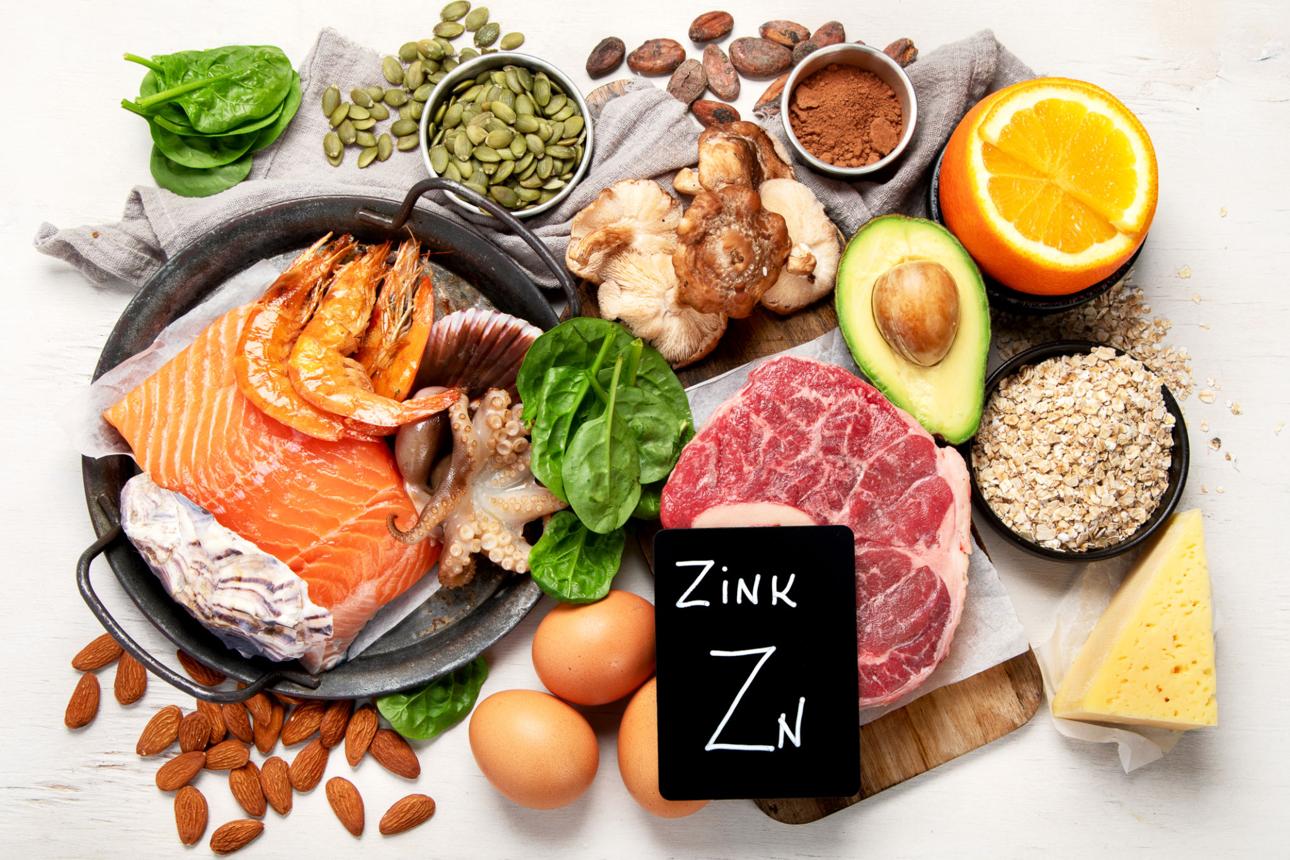
Foods Rich in Zinc
- Oysters
- Beef
- Pumpkin seeds
- Chicken
- Beans
- Cashews
- Yogurt
Top 3 Foods Highest in Zinc
- Oysters – the richest natural source of zinc
- Beef – high in zinc and protein
- Pumpkin Seeds – excellent plant-based source
Zinc Daily Intake
| Group | Recommended Daily Intake |
| Adult Men | 11 mg |
| Adult Women | 8 mg |
| Children | 3–8 mg |
Zinc Deficiency Symptoms
- Weak immune system
- Slow wound healing
- Hair loss
- Loss of taste or smell
- Skin problems
Zinc Overdose Risks
- Nausea
- Stomach pain
- Low copper levels
- Weakened immunity from high doses
Zinc Supplements
Zinc supplements may help people with low zinc intake or certain deficiencies.
Too much zinc can cause side effects, so high-dose supplements should be used carefully.
Related Vitamins and Minerals
FAQ
What happens if I don’t get enough zinc?
Low zinc may cause weak immunity, slow wound healing, hair loss, and skin problems.
Can I get zinc from food only?
Yes, many people can get enough zinc from oysters, beef, seeds, beans, nuts, and dairy foods.
Is zinc good for immunity?
Yes, zinc is important for normal immune system function.