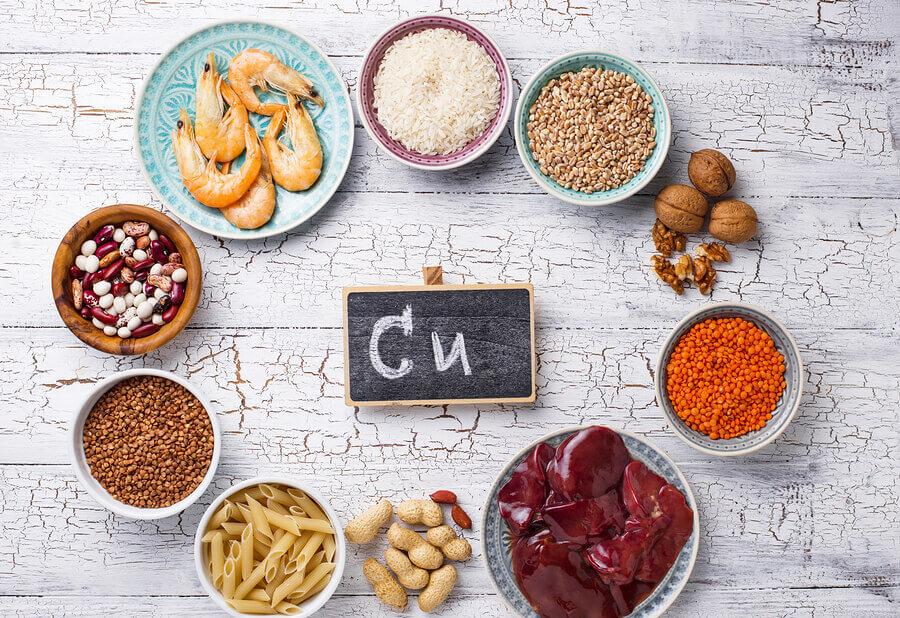
About Copper
Copper is a trace mineral needed in small amounts for many body functions.
It plays a key role in iron absorption, energy production, and maintaining healthy connective tissues.
Why Is Copper Important?
Copper helps the body use iron properly, supports the nervous system, and contributes to the production of energy and red blood cells.
Benefits of Copper
- Supports iron metabolism
- Helps energy production
- Supports nervous system
- Helps maintain healthy skin
- Supports red blood cell formation
Foods Rich in Copper
- Liver
- Oysters
- Cashews
- Sunflower seeds
- Dark chocolate
- Lentils
- Whole grains
Top 3 Foods Highest in Copper
- Liver – one of the richest sources of copper
- Oysters – high in copper and minerals
- Cashews – great plant-based source
Copper Daily Intake
| Group | Recommended Daily Intake |
| Adults | 900 mcg |
| Children | 340–700 mcg |
Copper Deficiency Symptoms
- Fatigue
- Weakness
- Anemia
- Weak immune system
- Nerve problems
Copper Overdose Risks
- Nausea
- Stomach pain
- Liver damage (high doses)
- Copper toxicity
Copper Supplements
Copper supplements may be needed in rare cases of deficiency.
Too much copper can be harmful, so supplements should be used carefully.
Related Vitamins and Minerals
FAQ
What happens if I don’t get enough copper?
Low copper may cause fatigue, anemia, and nerve problems.
Can I get copper from food only?
Yes, foods like liver, nuts, seeds, and seafood provide enough for most people.
Is copper important for iron?
Yes, copper helps the body use iron properly and supports red blood cells.