About Iron
Iron is a mineral that the body uses to make hemoglobin, a protein in red blood cells that carries oxygen throughout the body.
It is important for energy, focus, immune health, and normal body function.
Why Is Iron Important?
Iron helps oxygen move from the lungs to the rest of the body. Without enough iron, the body may feel tired, weak, and low in energy.
Benefits of Iron
- Helps carry oxygen in the blood
- Supports energy levels
- Helps prevent iron deficiency anemia
- Supports immune system
- Supports brain function and focus
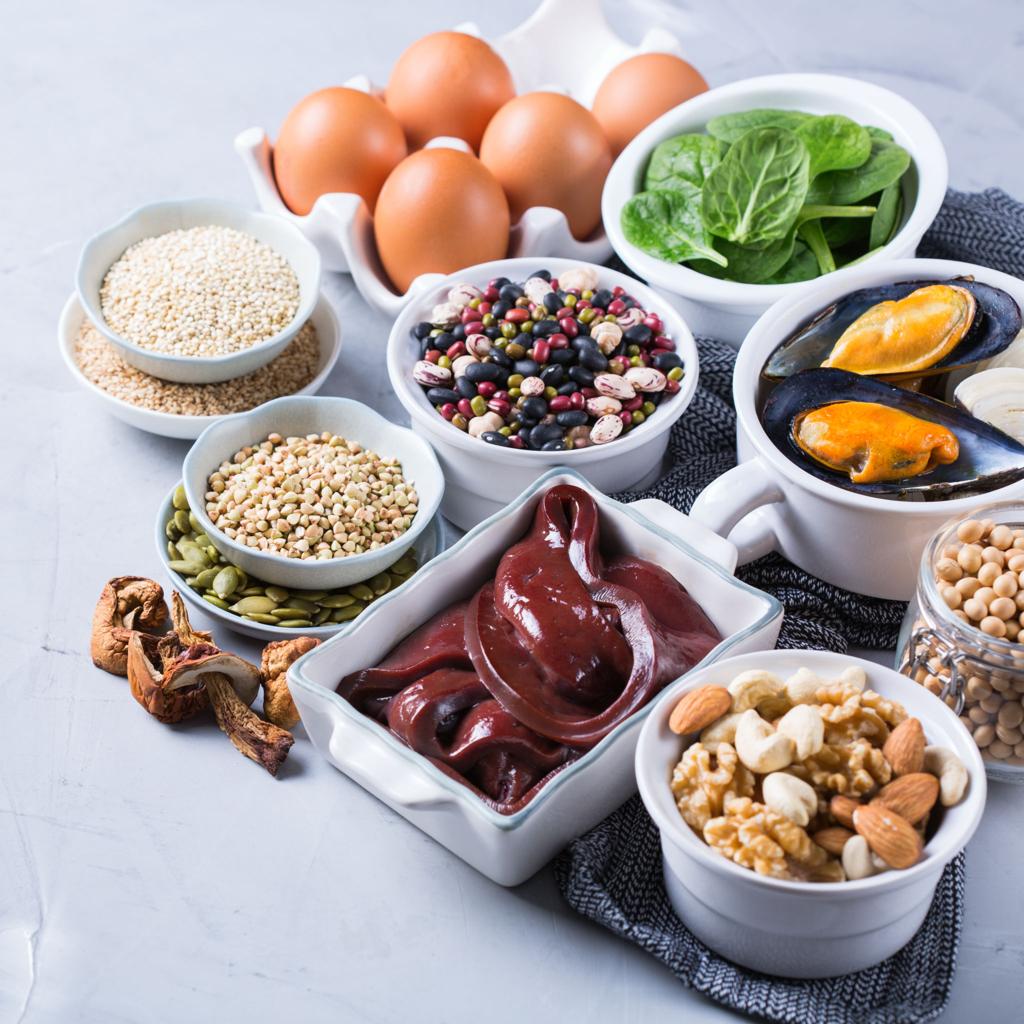
Foods Rich in Iron
- Beef
- Chicken liver
- Spinach
- Lentils
- Beans
- Tofu
- Fortified cereals
Top 3 Foods Highest in Iron
- Chicken Liver – one of the richest animal sources of iron
- Beef – high in heme iron, which is easier to absorb
- Lentils – excellent plant-based iron source
Iron Daily Intake
| Group | Recommended Daily Intake |
| Adult Men | 8 mg |
| Adult Women | 18 mg |
| Children | 7–10 mg |
Iron Deficiency Symptoms
- Fatigue
- Weakness
- Pale skin
- Shortness of breath
- Dizziness
Iron Overdose Risks
- Nausea
- Stomach pain
- Constipation
- Iron toxicity from high doses
Iron Supplements
Iron supplements may help people with low iron levels or iron deficiency anemia.
Iron supplements should be used carefully because too much iron can be harmful.
Related Vitamins and Minerals
- Vitamin C - helps improve iron absorption
- Vitamin B12 - supports red blood cells
- Folate - supports blood cell formation
FAQ
What happens if I don’t get enough iron?
Low iron may cause fatigue, weakness, dizziness, and iron deficiency anemia.
Can I get iron from food only?
Yes, many people can get enough iron from meat, beans, lentils, tofu, spinach, and fortified foods.
Is iron important for energy?
Yes, iron helps carry oxygen in the blood, which supports normal energy levels.