About Folate (Vitamin B9)
Folate is a water-soluble B vitamin that is essential for DNA synthesis, cell division, and growth.
It is especially important during pregnancy for proper fetal development.
Why Is Folate Important?
Folate supports healthy cell production, helps prevent birth defects, and is essential for making red blood cells.
Benefits of Folate
- Supports DNA and cell production
- Helps red blood cell formation
- Important during pregnancy
- Supports brain health
- Helps prevent anemia
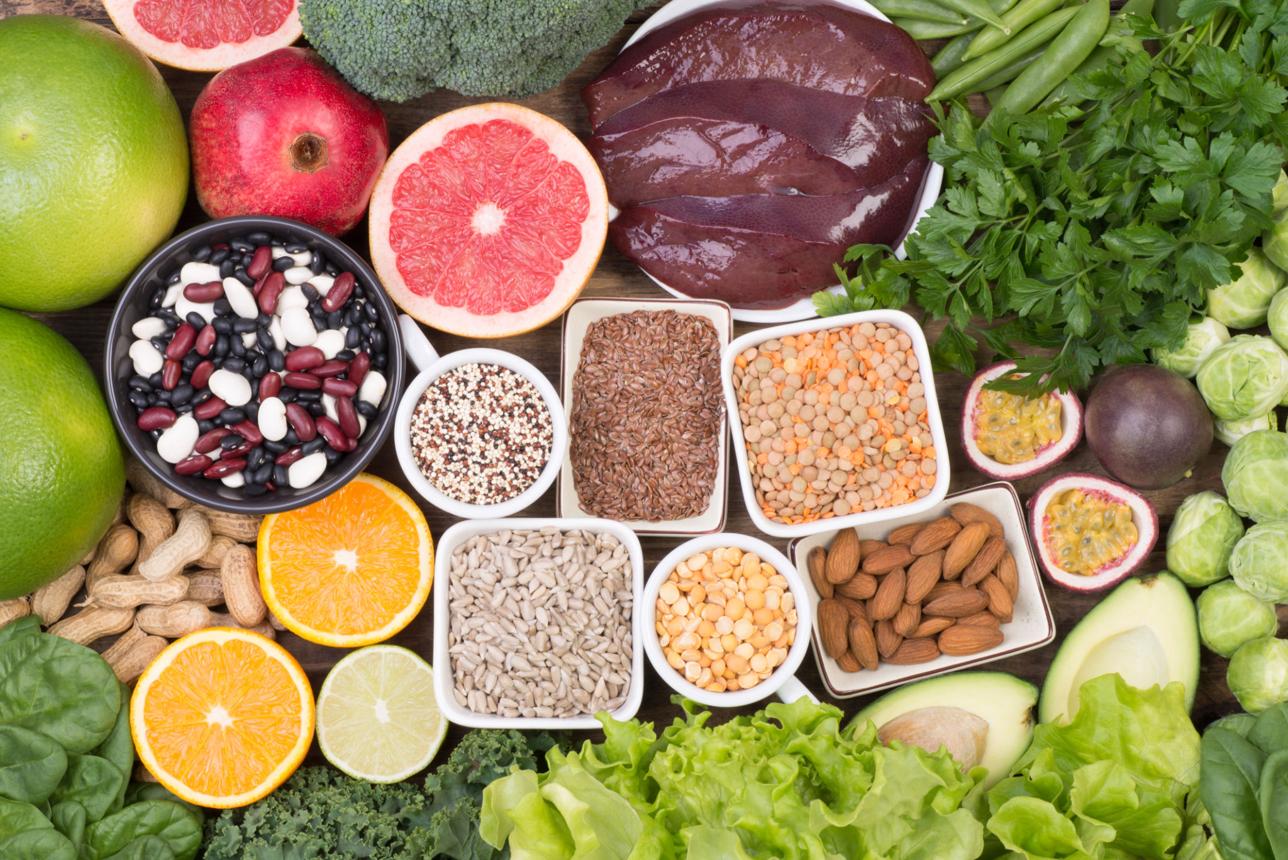
Foods Rich in Folate
- Spinach
- Lentils
- Chickpeas
- Asparagus
- Avocado
- Broccoli
- Fortified cereals
Top 3 Foods Highest in Folate
- Lentils – one of the best sources of folate
- Spinach – rich leafy green source
- Chickpeas – great plant-based option
Folate Daily Intake
| Group | Recommended Daily Intake |
| Adults | 400 mcg |
| Pregnant Women | 600 mcg |
| Children | 150–300 mcg |
Folate Deficiency Symptoms
- Fatigue
- Weakness
- Anemia
- Pale skin
- Poor concentration
Folate Overdose Risks
- High doses may mask vitamin B12 deficiency
- Rare toxicity
Folate Supplements
Supplements are often recommended for pregnant women or people with low intake.
Most people can get enough folate from a healthy diet rich in vegetables and legumes.
Related Vitamins and Minerals
FAQ
What happens if I don’t get enough folate?
Deficiency may lead to anemia, fatigue, and poor concentration.
Is folate important during pregnancy?
Yes, it is essential for proper fetal development and preventing birth defects.
Can I get enough folate from food?
Yes, leafy greens, legumes, and vegetables provide good amounts.