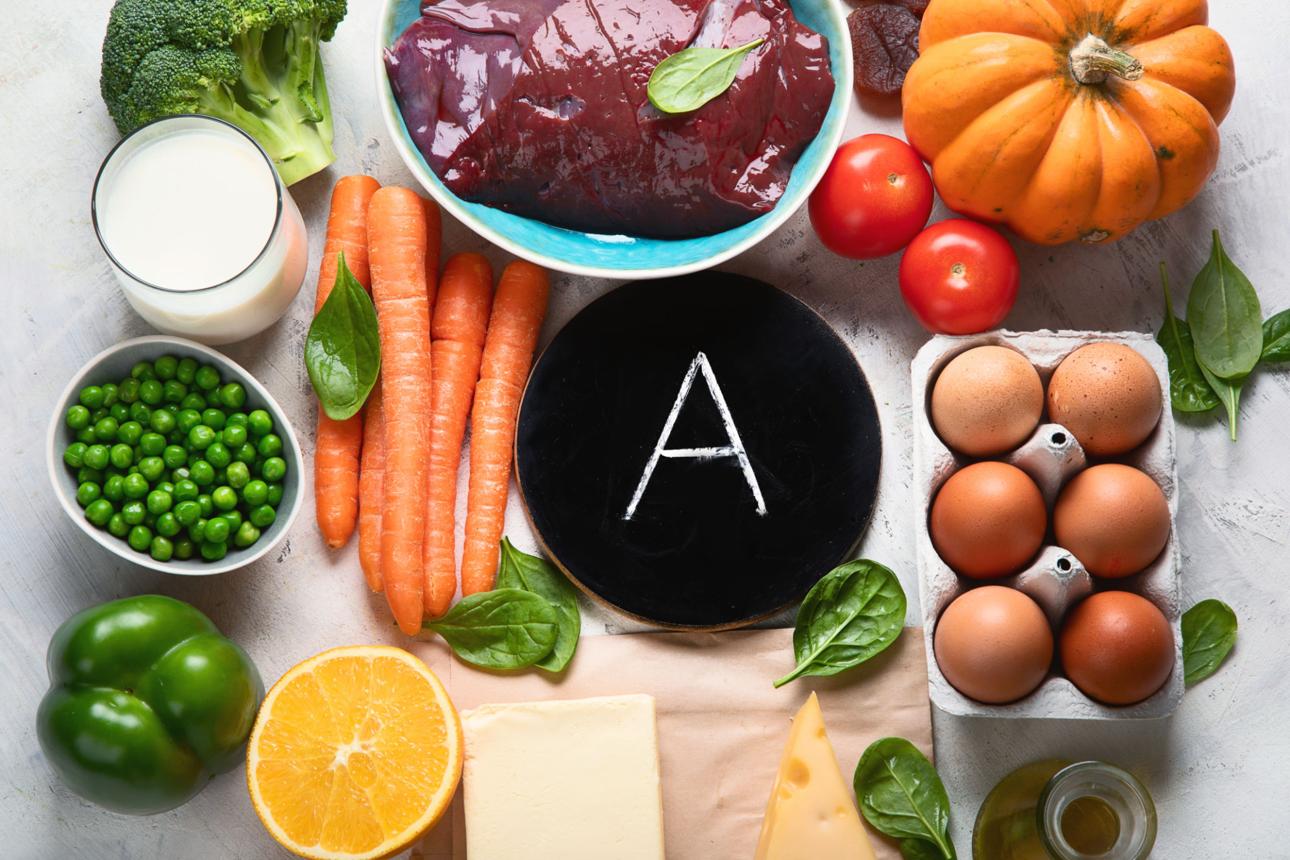
About Vitamin A
Vitamin A is a fat-soluble vitamin found in animal foods and colorful plant foods. It plays an important role in eyesight, immune defense, and healthy skin.
The body can get vitamin A as retinol from animal foods or make it from beta-carotene found in orange and dark green vegetables.
Why Is Vitamin A Important?
Vitamin A helps protect vision, supports the immune system, and keeps skin and body tissues healthy. It is also important for growth and development.
Benefits of Vitamin A
- Supports healthy vision
- Helps the immune system
- Supports healthy skin
- Helps normal growth and development
- Supports cell health
Foods Rich in Vitamin A
- Carrots
- Sweet potatoes
- Spinach
- Kale
- Eggs
- Liver
- Milk
Top 3 Foods Highest in Vitamin A
- Liver – the highest natural source of vitamin A
- Sweet Potatoes – very rich in beta-carotene
- Carrots – one of the most popular sources
Vitamin A Daily Intake
| Group | Recommended Daily Intake |
| Adult Men | 900 mcg RAE |
| Adult Women | 700 mcg RAE |
| Children | 300–600 mcg RAE |
Vitamin A Deficiency Symptoms
- Night blindness
- Dry eyes
- Dry skin
- Weak immune system
- Slow growth in children
Vitamin A Overdose Risks
- Nausea
- Dizziness
- Headache
- Liver problems
- Too much preformed vitamin A can be harmful
Vitamin A Supplements
Vitamin A supplements may be useful for people who have a deficiency or do not get enough vitamin A from food.
Many people can get enough vitamin A from a balanced diet. High-dose supplements should be avoided unless recommended by a doctor.
Related Vitamins and Minerals
FAQ
What happens if I don’t get enough vitamin A?
Low vitamin A may cause night blindness, dry eyes, dry skin, and a weaker immune system.
Can I get vitamin A from food only?
Yes, many people can get enough vitamin A from foods like carrots, sweet potatoes, spinach, eggs, and milk.
Is vitamin A good for skin?
Yes, vitamin A supports healthy skin and normal cell growth.