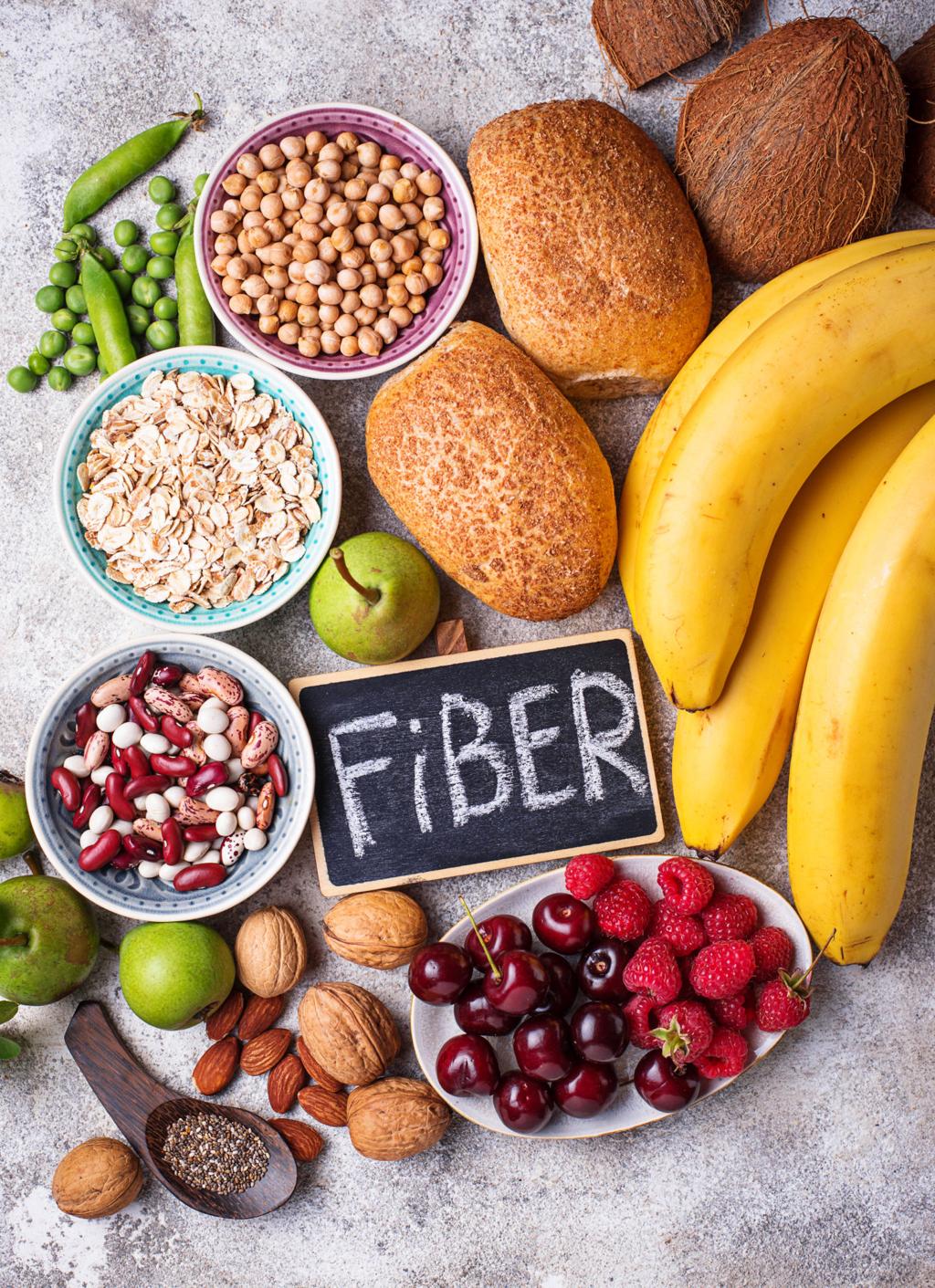
About Fiber
Fiber is a type of carbohydrate that the body cannot fully digest.
It passes through the digestive system and supports gut health and digestion.
Why Is Fiber Important?
Fiber helps regulate digestion, supports gut bacteria, and plays a key role in heart health and blood sugar control.
Benefits of Fiber
- Supports digestion
- Helps prevent constipation
- Supports gut health
- Helps control blood sugar
- Supports heart health
High Fiber Foods
- Oats
- Beans
- Lentils
- Apples
- Berries
- Chia seeds
- Whole grains
Top 3 High Fiber Foods
- Lentils – very high in fiber and protein
- Chia Seeds – extremely rich in fiber
- Oats – great daily fiber source
Fiber Daily Intake
| Group | Recommended Daily Intake |
| Adult Men | 30–38 g |
| Adult Women | 21–25 g |
| Children | 15–25 g |
Fiber Deficiency Symptoms
- Constipation
- Poor digestion
- Blood sugar spikes
- Weight gain
Too Much Fiber Risks
- Bloating
- Gas
- Digestive discomfort
- Reduced nutrient absorption (very high intake)
Fiber Supplements
Fiber supplements like psyllium husk can help improve digestion if dietary fiber intake is low.
It is best to get fiber from whole foods like fruits, vegetables, legumes, and whole grains.
Related Nutrients
- Probiotics - work with fiber for gut health
- Carbohydrates - fiber is a type of carb
- Magnesium - supports digestion and muscles
FAQ
What happens if I don’t get enough fiber?
Low fiber may cause constipation, poor digestion, and unstable blood sugar.
Can I get fiber from food only?
Yes, fruits, vegetables, grains, legumes, and seeds provide plenty of fiber.
Is fiber good for weight loss?
Yes, fiber helps you feel full and may support weight management.