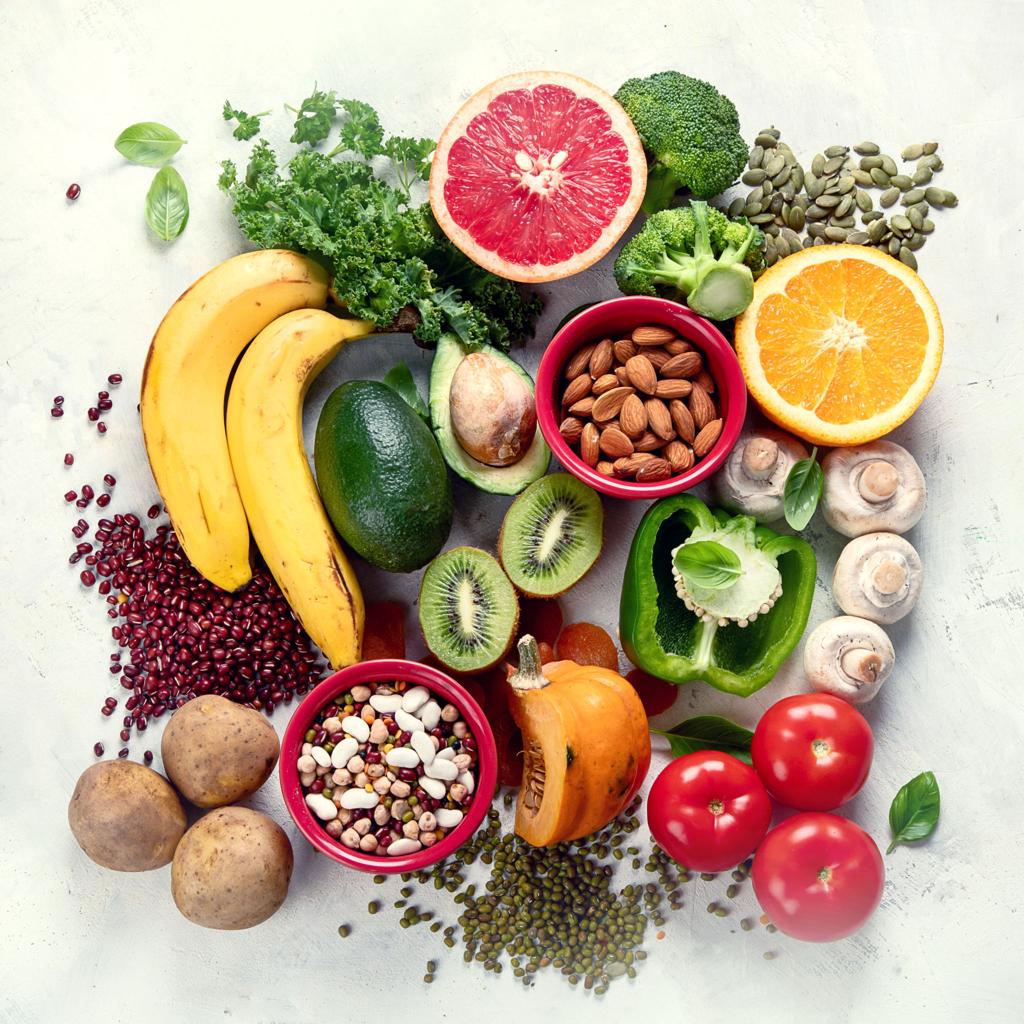
About Potassium
Potassium is an important electrolyte that helps balance fluids in the body and supports normal muscle and nerve function.
It works with sodium to help maintain healthy blood pressure and proper hydration.
Why Is Potassium Important?
Potassium helps muscles contract, nerves send signals, and the heart beat normally. It also supports healthy blood pressure.
Benefits of Potassium
- Supports heart health
- Helps maintain healthy blood pressure
- Supports muscle function
- Helps nerve signaling
- Supports fluid balance
Foods Rich in Potassium
- Bananas
- Potatoes
- Sweet potatoes
- Avocados
- Spinach
- Beans
- Salmon
Top 3 Foods Highest in Potassium
- Potatoes – one of the best common sources of potassium
- Avocados – rich in potassium and healthy fats
- Beans – excellent plant-based potassium source
Potassium Daily Intake
| Group | Recommended Daily Intake |
| Adult Men | 3,400 mg |
| Adult Women | 2,600 mg |
| Children | 2,000–3,000 mg |
Potassium Deficiency Symptoms
- Muscle weakness
- Muscle cramps
- Fatigue
- Constipation
- Irregular heartbeat
Potassium Overdose Risks
- High potassium levels
- Irregular heartbeat
- Muscle weakness
- Risk is higher with kidney problems
Potassium Supplements
Potassium supplements may be needed in some medical situations, but they should be used carefully.
Most people should focus on getting potassium from foods like potatoes, beans, bananas, avocados, and leafy greens.
Related Vitamins and Minerals
FAQ
What happens if I don’t get enough potassium?
Low potassium may cause muscle weakness, cramps, fatigue, constipation, and heartbeat changes.
Can I get potassium from food only?
Yes, many people can get enough potassium from potatoes, bananas, beans, avocados, spinach, and fish.
Is potassium important for blood pressure?
Yes, potassium helps balance sodium and supports healthy blood pressure.