About Prebiotics
Prebiotics are a type of fiber that the body cannot digest, but beneficial gut bacteria use as food.
They help maintain a healthy gut microbiome and support digestion.
Why Are Prebiotics Important?
Prebiotics feed good bacteria in the gut, helping improve digestion, nutrient absorption, and immune health.
Benefits of Prebiotics
- Supports gut health
- Feeds beneficial bacteria
- Improves digestion
- Supports immune system
- Helps nutrient absorption
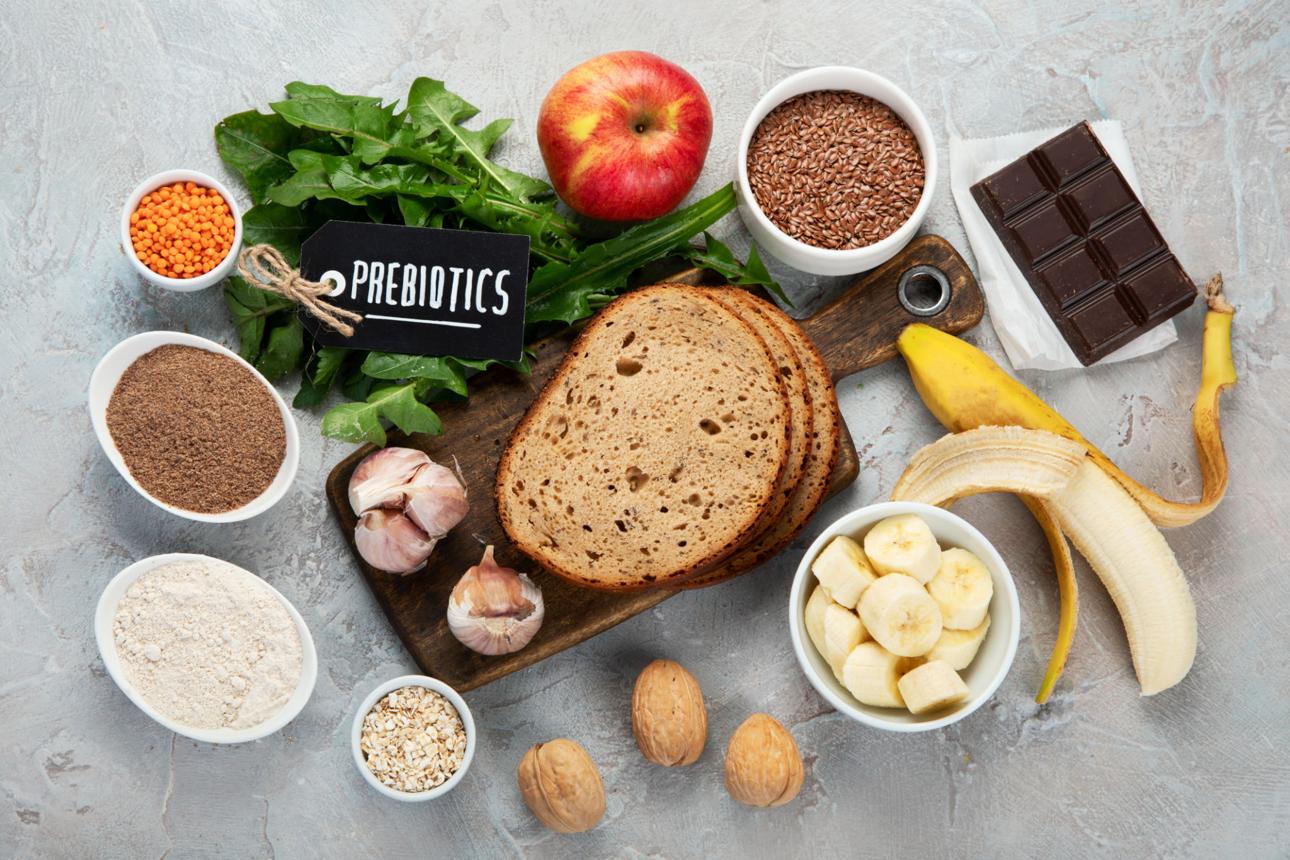
Foods Rich in Prebiotics
- Garlic
- Onions
- Bananas
- Asparagus
- Oats
- Chicory root
- Leeks
Top 3 Foods Highest in Prebiotics
- Chicory Root – one of the richest prebiotic sources
- Garlic – supports gut bacteria and immunity
- Onions – rich in prebiotic fibers
Prebiotics Daily Intake
| Group | Recommended Daily Intake |
| Adults | 3–5 g (prebiotic fiber) |
| From Diet | Often included within total fiber intake |
Low Prebiotics Signs
- Poor digestion
- Imbalanced gut bacteria
- Bloating
- Weak immune function
Too Much Prebiotics Risks
- Gas
- Bloating
- Digestive discomfort
Prebiotic Supplements
Prebiotic supplements often contain fibers like inulin or FOS (fructooligosaccharides).
They can help support gut health when dietary intake is low.
Related Nutrients
- Probiotics - beneficial bacteria
- Fiber - overall digestive support
- Vitamin C - supports immune health
FAQ
What happens if I don’t get enough prebiotics?
Low intake may lead to poor gut health and imbalanced bacteria.
Can I get prebiotics from food only?
Yes, foods like garlic, onions, bananas, and oats provide prebiotics.
Are prebiotics good for digestion?
Yes, they feed good bacteria and support healthy digestion.