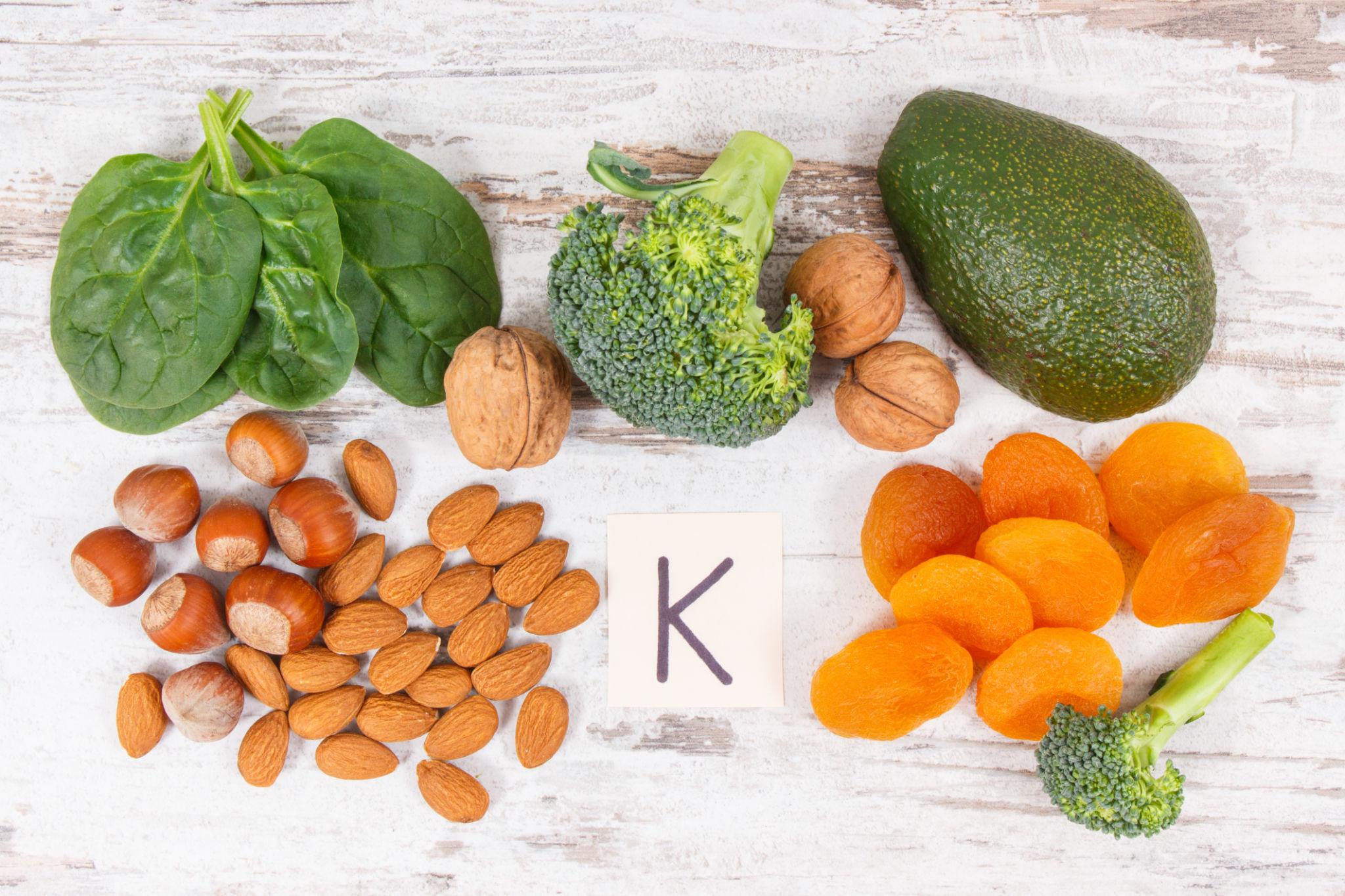
About Vitamin K
Vitamin K is a fat-soluble vitamin essential for blood clotting and bone health.
It exists mainly as vitamin K1 (from plants) and K2 (from animal and fermented foods).
Why Is Vitamin K Important?
Vitamin K helps control calcium in the body, supports healthy bones, and is necessary for proper blood clotting.
Benefits of Vitamin K
- Supports blood clotting
- Helps maintain strong bones
- Supports heart health
- Helps regulate calcium
- Supports overall health
Foods Rich in Vitamin K
- Kale
- Spinach
- Broccoli
- Brussels sprouts
- Cabbage
- Avocado
- Fermented foods (natto)
Top 3 Foods Highest in Vitamin K
- Kale – one of the richest sources of vitamin K
- Spinach – very high in vitamin K
- Broccoli – great everyday source
Vitamin K Daily Intake
| Group | Recommended Daily Intake |
| Adult Men | 120 mcg |
| Adult Women | 90 mcg |
| Children | 30–75 mcg |
Vitamin K Deficiency Symptoms
- Easy bruising
- Excessive bleeding
- Weak bones
- Slow blood clotting
Vitamin K Overdose Risks
- Very rare toxicity
- May interfere with blood-thinning medications
Vitamin K Supplements
Supplements may be needed for people with deficiencies or certain medical conditions.
Most people can get enough vitamin K from leafy green vegetables and healthy foods.
Related Vitamins and Minerals
FAQ
What happens if I don’t get enough vitamin K?
Deficiency may cause bleeding problems and weak bones.
Can I get vitamin K from food only?
Yes, leafy greens and vegetables provide enough for most people.
Is vitamin K important for bones?
Yes, it helps regulate calcium and supports bone strength.