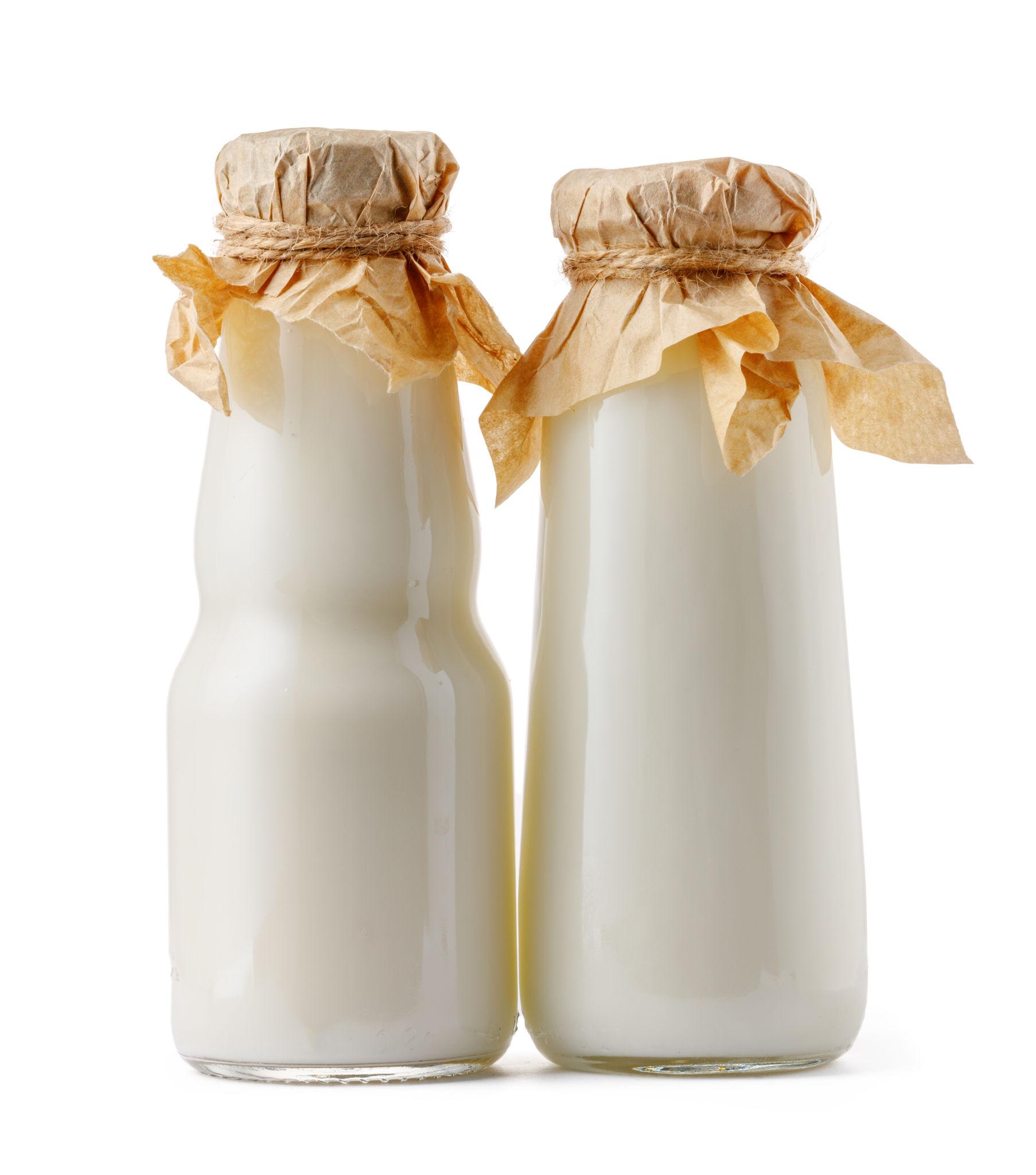
About Milk
Milk is a dairy product produced by mammals and is widely consumed around the world. It is commonly used as a beverage and in cooking, baking, and food production.
Milk is especially valued for its calcium content, high-quality protein, and important vitamins like vitamin D and B12.
How Many Calories Are in Milk?
Milk contains around 42–60 calories per 100 grams, depending on fat content (whole, low-fat, or skim milk).
Milk Nutrition Facts (per 100g)
| Calories | 50 kcal |
| Protein | 3.4 g |
| Fat | 2 g |
| Carbohydrates | 5 g |
| Fiber | 0 g |
| Sugar | 5 g |
| Water | 88% |
Vitamins and Minerals
- Calcium - 120 mg
- Vitamin D - 1.2 mcg
- Vitamin B12 - 0.5 mcg
- Phosphorus - 95 mg
- Potassium - 150 mg
- Magnesium - 10 mg
Health Benefits of Milk
- Supports strong bones and teeth
- Good source of protein
- Rich in calcium and vitamin D
- Helps muscle recovery
- Provides essential nutrients
- Hydrates the body
Calories in Different Portions
- 100g milk - 50 kcal
- 1 cup (240ml) milk - ~120 kcal
- 1 glass milk - ~150 kcal
Popular Ways to Drink Milk
- Plain milk
- With cereal
- In coffee or tea
- Smoothies
- Protein shakes
- Cooking and baking
Is Milk Good for Weight Loss?
Milk can be part of a weight loss diet, especially low-fat or skim milk. It provides protein and nutrients that help keep you full.
Additional Facts
- Available in different fat levels
- Used worldwide in many dishes
- Natural source of calcium
- Common in daily diets
Possible Downsides
Some people are lactose intolerant and may have difficulty digesting milk. Whole milk also contains more fat and calories.
FAQ
Is milk healthy?
Yes, milk is rich in nutrients like calcium, protein, and vitamins.
How much protein is in milk?
Milk contains about 3.4g of protein per 100g.
Can I drink milk every day?
Yes, if you are not lactose intolerant, milk can be part of a healthy daily diet.