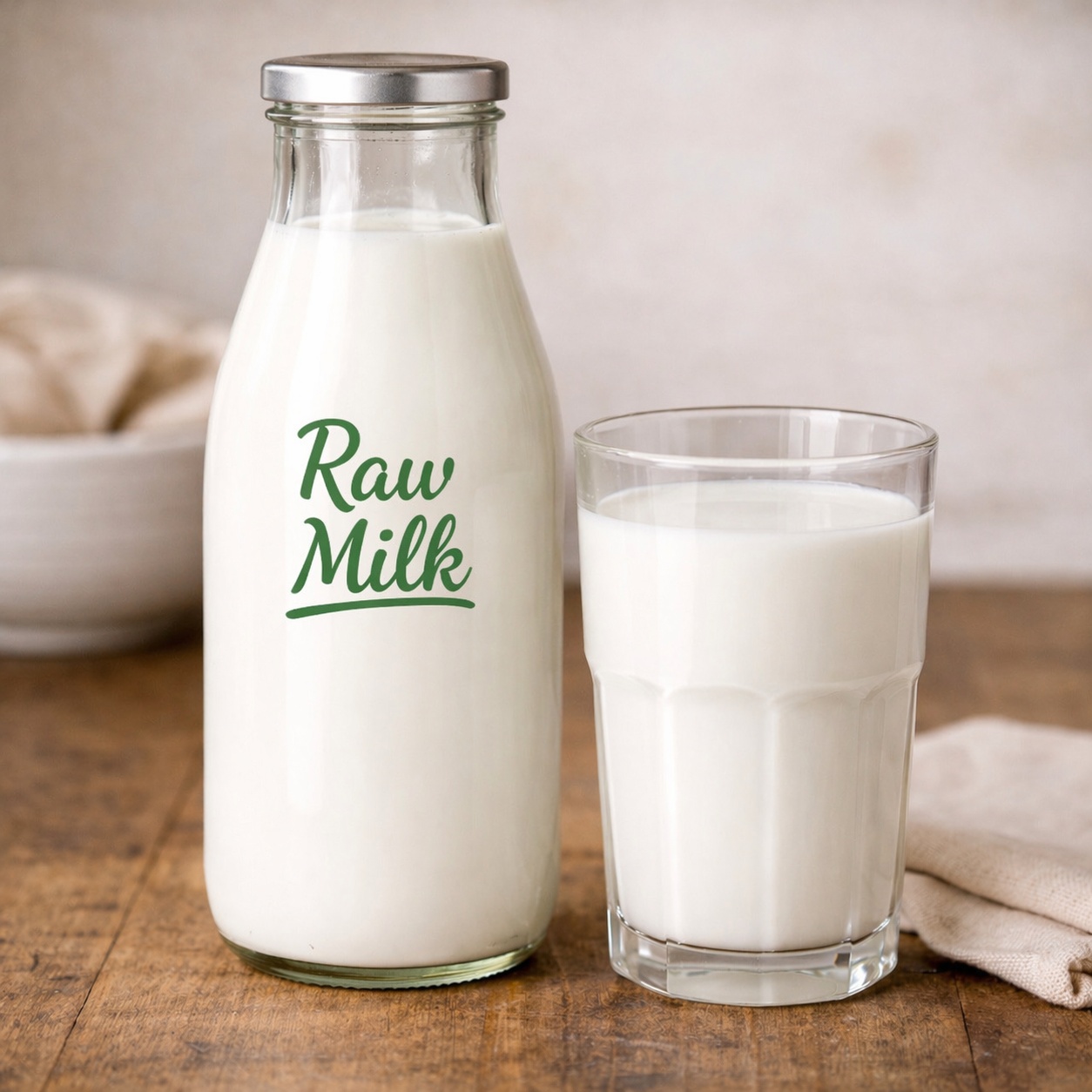
About Raw Milk
Raw milk is milk that has not been pasteurized or processed, meaning it has not been heated to kill bacteria.
Some people prefer raw milk for its natural composition, but it must be handled carefully.
How Many Calories Are in Raw Milk?
Raw milk contains around 60–65 calories per 100 grams, depending on the fat content.
Raw Milk Nutrition Facts (per 100g)
| Calories | 62 kcal |
| Protein | 3.3 g |
| Fat | 3.5 g |
| Carbohydrates | 4.8 g |
| Fiber | 0 g |
| Sugar | 4.8 g |
| Water | 87% |
Vitamins and Minerals
- Calcium - 120 mg
- Vitamin B12 - 0.5 mcg
- Phosphorus - 95 mg
- Potassium - 150 mg
- Magnesium - 10 mg
Health Benefits of Raw Milk
- Contains natural enzymes
- Rich in protein and calcium
- Supports bone health
- Less processed
- Natural taste
- Provides essential nutrients
Calories in Different Portions
- 100g raw milk - 62 kcal
- 1 cup (240ml) - ~150 kcal
- 1 glass - ~180 kcal
Popular Ways to Drink Raw Milk
- Plain
- With cereal
- Smoothies
- Homemade dairy products
- Cheese making
- Traditional recipes
Is Raw Milk Good for Weight Loss?
Raw milk can be included in a weight loss diet in moderation, depending on its fat content.
Additional Facts
- Unpasteurized milk
- Contains natural bacteria
- Less processed than regular milk
- Requires careful handling
Possible Downsides
Raw milk can carry harmful bacteria and is not recommended for children, pregnant women, or people with weakened immune systems.
FAQ
Is raw milk safe?
Raw milk can contain bacteria, so it should be consumed with caution.
Is raw milk healthier than pasteurized milk?
It retains natural enzymes, but also carries safety risks.
Can I drink raw milk every day?
Only if sourced safely and handled properly.