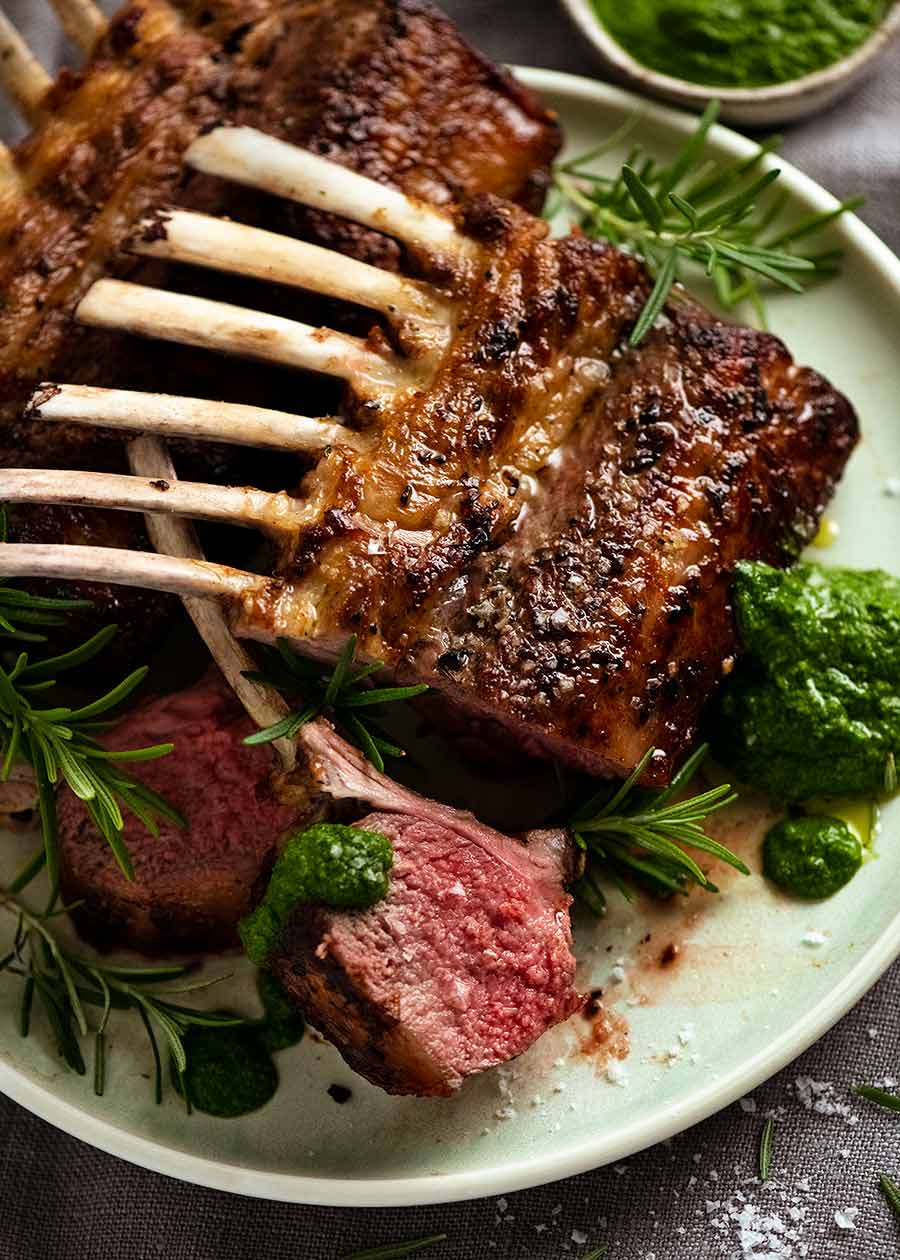
About Lamb
Lamb is meat from young sheep and is popular in many cuisines around the world. It is known for its rich flavor and tender texture.
Lamb is considered a red meat and is a great source of protein, iron, and zinc.
How Many Calories Are in Lamb?
Lamb contains around 294 calories per 100 grams, depending on the cut. Lean lamb contains fewer calories than fatty cuts.
Lamb Nutrition Facts (per 100g)
| Calories | 294 kcal |
| Protein | 25 g |
| Fat | 21 g |
| Carbohydrates | 0 g |
| Fiber | 0 g |
| Sugar | 0 g |
| Water | 55% |
Vitamins and Minerals
- Iron - 1.8 mg
- Zinc - 4 mg
- Vitamin B12 - 2.6 mcg
- Vitamin B6 - 0.3 mg
- Vitamin B3 (Niacin) - 6 mg
- Phosphorus - 180 mg
Health Benefits of Lamb
- Rich in high-quality protein
- Supports muscle growth
- Good source of iron
- Supports energy production
- Contains essential vitamins
- Helps maintain strength
Calories in Different Portions
- 100g lamb - 294 kcal
- 1 lamb chop (200g) - ~580 kcal
- Lean lamb (100g) - ~250 kcal
- Roasted lamb (100g) - ~300 kcal
Popular Lamb Dishes
- Lamb chops
- Roast lamb
- Lamb kebabs
- Lamb stew
- Grilled lamb
- Traditional Mediterranean dishes
Is Lamb Good for Muscle Growth?
Yes. Lamb is a great source of protein and essential nutrients needed for muscle repair and growth. Lean cuts are better for a balanced diet.
Additional Facts
- More flavorful than many other meats
- Rich in iron and B vitamins
- Used in many global cuisines
- Higher fat content than chicken or turkey
Possible Downsides
Lamb can be high in fat and calories, especially fatty cuts. It is best consumed in moderation.
FAQ
How much protein is in lamb?
About 25g per 100g.
Is lamb healthy?
Yes, but it is higher in fat than lean meats.
Is lamb better than beef?
Both are nutritious, but lamb usually has more fat.