About Pork
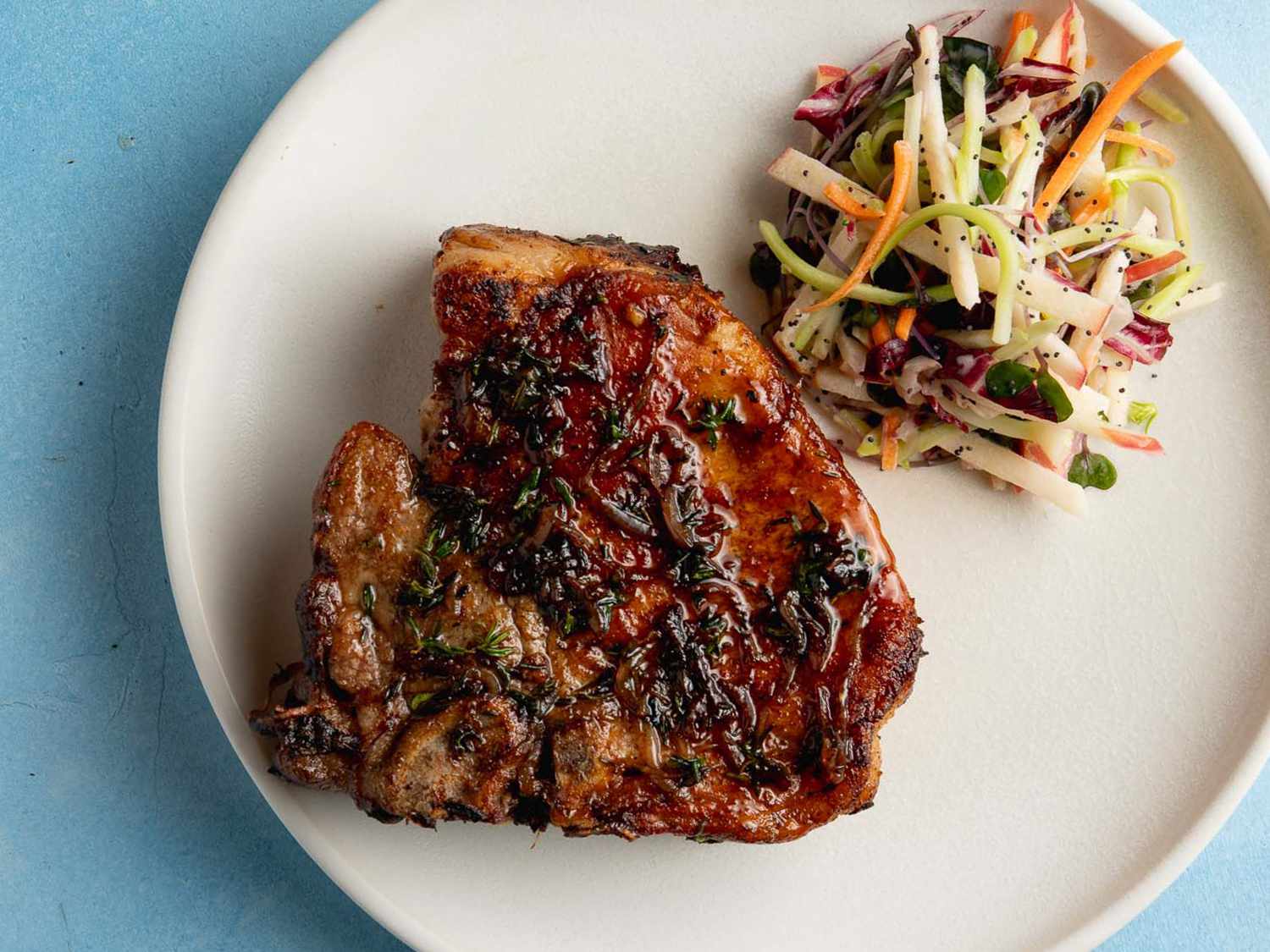
Pork is one of the most widely consumed meats in the world. It is used in many dishes such as chops, bacon, sausages, and roasted meals.
It provides high-quality protein and important vitamins like B1 (thiamine), which plays a key role in energy metabolism.
How Many Calories Are in Pork?
Pork contains around 240 calories per 100 grams, depending on the cut. Lean pork has fewer calories, while fatty cuts have more.
Pork Nutrition Facts (per 100g)
| Calories | 240 kcal |
| Protein | 27 g |
| Fat | 14 g |
| Carbohydrates | 0 g |
| Fiber | 0 g |
| Sugar | 0 g |
| Water | 60% |
Vitamins and Minerals
- Vitamin B1 (Thiamine) - 0.8 mg
- Vitamin B6 - 0.5 mg
- Vitamin B12 - 0.7 mcg
- Zinc - 2.4 mg
- Phosphorus - 200 mg
- Selenium - 35 mcg
Health Benefits of Pork
- High-quality protein source
- Supports muscle growth
- Rich in vitamin B1 for energy
- Supports nervous system
- Provides essential minerals
- Helps maintain strength
Calories in Different Portions
- 100g pork - 240 kcal
- 1 pork chop (200g) - ~480 kcal
- Lean pork (100g) - ~180-200 kcal
- Bacon (100g) - ~500 kcal
Popular Pork Dishes
- Pork chops
- Bacon
- Sausages
- Roast pork
- Pork ribs
- BBQ pork
Is Pork Good for Muscle Growth?
Yes. Pork contains complete protein and essential nutrients that help build and repair muscles. Lean cuts are better for a balanced diet.
Additional Facts
- Rich in vitamin B1 (more than most meats)
- Widely used in many cuisines
- Different cuts vary in fat content
- Can be part of a balanced diet
Possible Downsides
Processed pork products like bacon and sausages can be high in salt and fat. It is better to choose fresh and lean cuts.
FAQ
How much protein is in pork?
About 27g per 100g.
Is pork healthy?
Yes, especially lean pork in moderate amounts.
Is pork high in fat?
Some cuts are, but lean pork is relatively low in fat.