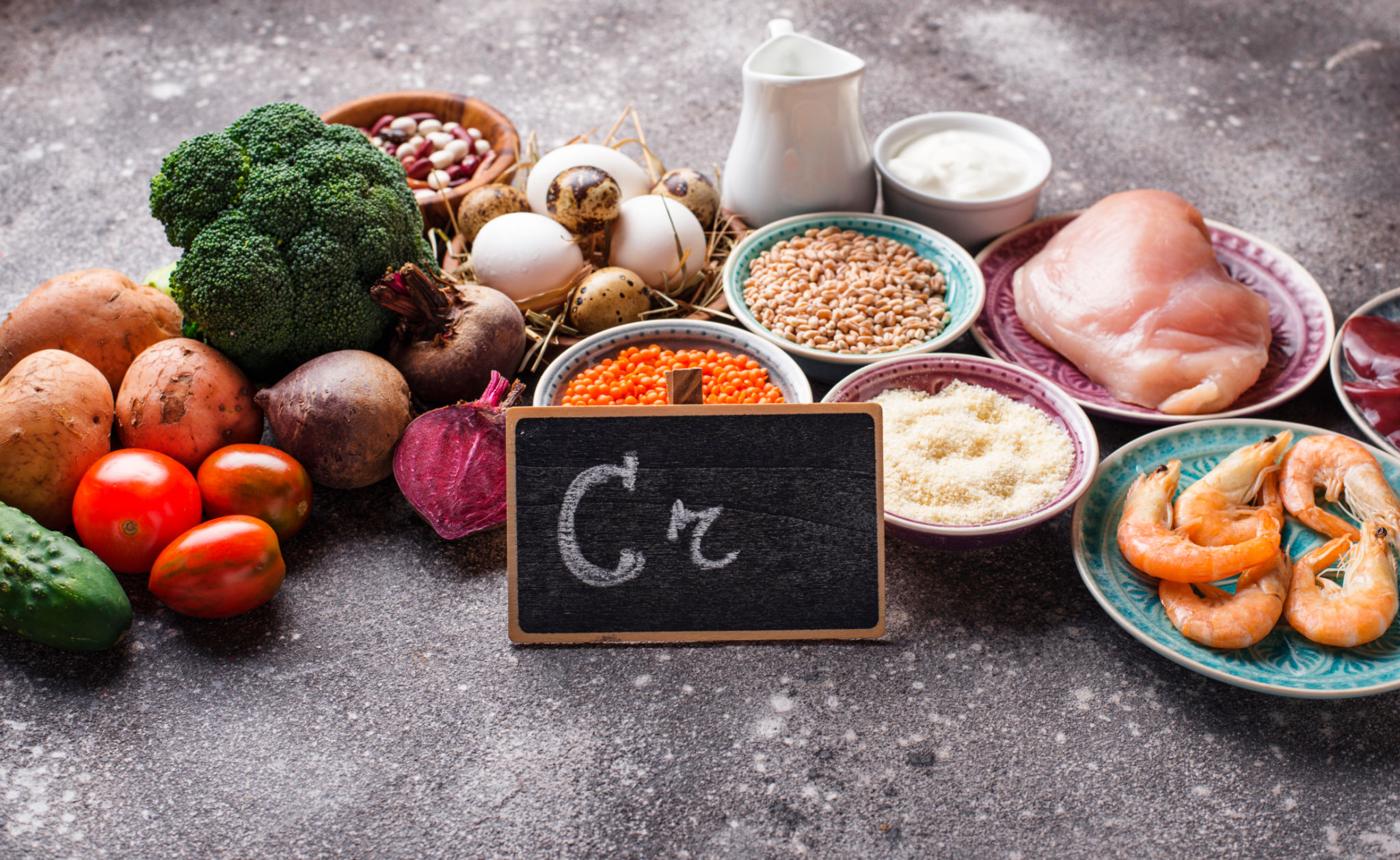
About Chromium
Chromium is an essential trace mineral needed in very small amounts.
It helps the body use insulin properly and supports the metabolism of carbohydrates, fats, and proteins.
Why Is Chromium Important?
Chromium helps support healthy blood sugar levels, insulin sensitivity, and normal energy metabolism.
Benefits of Chromium
- Supports blood sugar balance
- Helps insulin function
- Supports carbohydrate metabolism
- Supports fat and protein metabolism
- May support steady energy levels
Foods Rich in Chromium
- Broccoli
- Whole grains
- Beef
- Chicken
- Eggs
- Potatoes
- Green beans
Top 3 Foods Highest in Chromium
- Broccoli – one of the best common food sources of chromium
- Whole Grains – good everyday source
- Beef – provides chromium along with protein and minerals
Chromium Daily Intake
| Group | Recommended Daily Intake |
| Adult Men | 35 mcg |
| Adult Women | 25 mcg |
| Children | 11–25 mcg |
Chromium Deficiency Symptoms
- Rare deficiency
- Poor blood sugar control
- Low energy
- Changes in appetite
Chromium Overdose Risks
- Stomach discomfort
- Headache
- Kidney or liver concerns from very high doses
Chromium Supplements
Chromium supplements are often marketed for blood sugar support and metabolism.
Most people can get enough chromium from a balanced diet. High-dose supplements should be used carefully.
Related Vitamins and Minerals
- Magnesium - supports metabolism and energy
- Zinc - supports immunity and metabolism
- Vitamin B3 - supports energy metabolism
FAQ
What happens if I don’t get enough chromium?
Chromium deficiency is rare, but low intake may affect blood sugar balance and energy metabolism.
Can I get chromium from food only?
Yes, foods like broccoli, whole grains, meat, eggs, and vegetables can provide chromium.
Is chromium important for blood sugar?
Yes, chromium helps support insulin function and normal blood sugar balance.