About Creatine
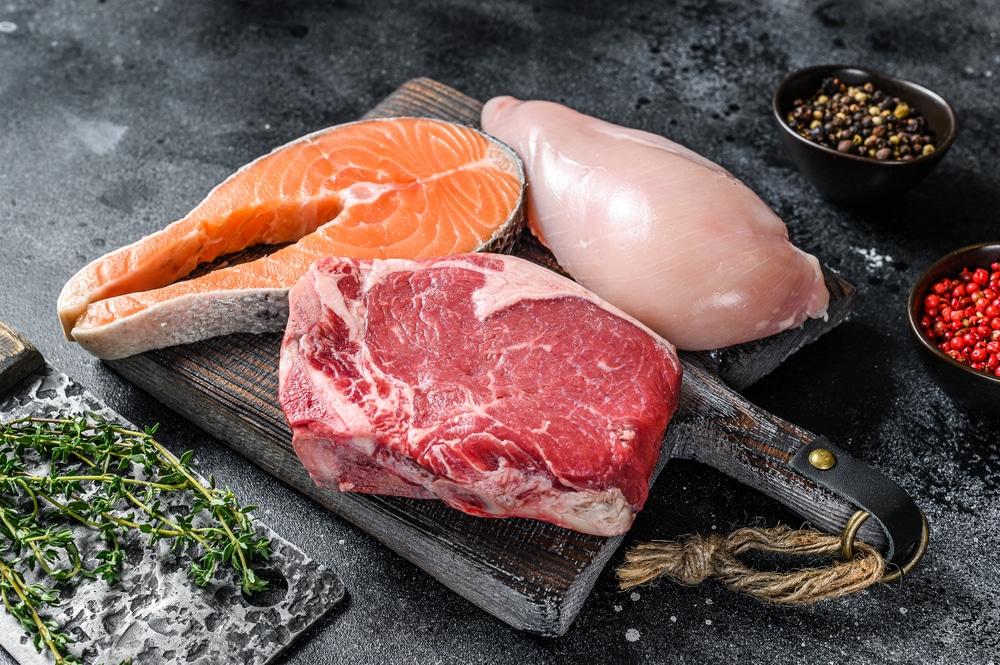
Creatine is a natural compound found in muscle cells and in foods like meat and fish.
The body also makes creatine from amino acids, but many athletes use supplements to increase muscle creatine stores.
Why Is Creatine Important?
Creatine helps produce quick energy during heavy lifting, sprinting, and other high-intensity activities.
Benefits of Creatine
- Supports muscle strength
- Helps improve workout performance
- Supports power during intense exercise
- May support muscle growth
- Helps with short bursts of energy
Foods That Contain Creatine
- Beef
- Pork
- Salmon
- Tuna
- Chicken
- Herring
- Creatine monohydrate supplement
Top 3 Sources of Creatine
- Herring – one of the richest natural food sources
- Beef – popular source of creatine and protein
- Creatine Monohydrate – common supplement form
Creatine Daily Intake
| Goal | Common Daily Amount |
| General Supplement Use | 3–5 g per day |
| Loading Phase | 20 g per day for 5–7 days |
| From Food Only | Usually much lower than supplement doses |
Low Creatine Signs
- Lower power output
- Reduced high-intensity performance
- Faster muscle fatigue
- Lower training capacity
Creatine Supplement Risks
- Water weight gain
- Stomach discomfort
- Bloating in some people
- Not ideal for everyone with kidney problems
Creatine Supplements
Creatine monohydrate is the most common and well-known form of creatine supplement.
Many people take 3–5 grams per day to support strength, power, and training performance.
Related Vitamins and Nutrients
- Protein - supports muscle growth and recovery
- BCAA - supports muscle recovery
- Electrolytes - support hydration and performance
FAQ
What does creatine do?
Creatine helps muscles make quick energy during intense exercise and may improve strength and power.
Can I get creatine from food only?
Yes, meat and fish contain creatine, but supplements provide a more consistent amount.
Is creatine good for muscle growth?
Yes, creatine may help support muscle growth when combined with resistance training.