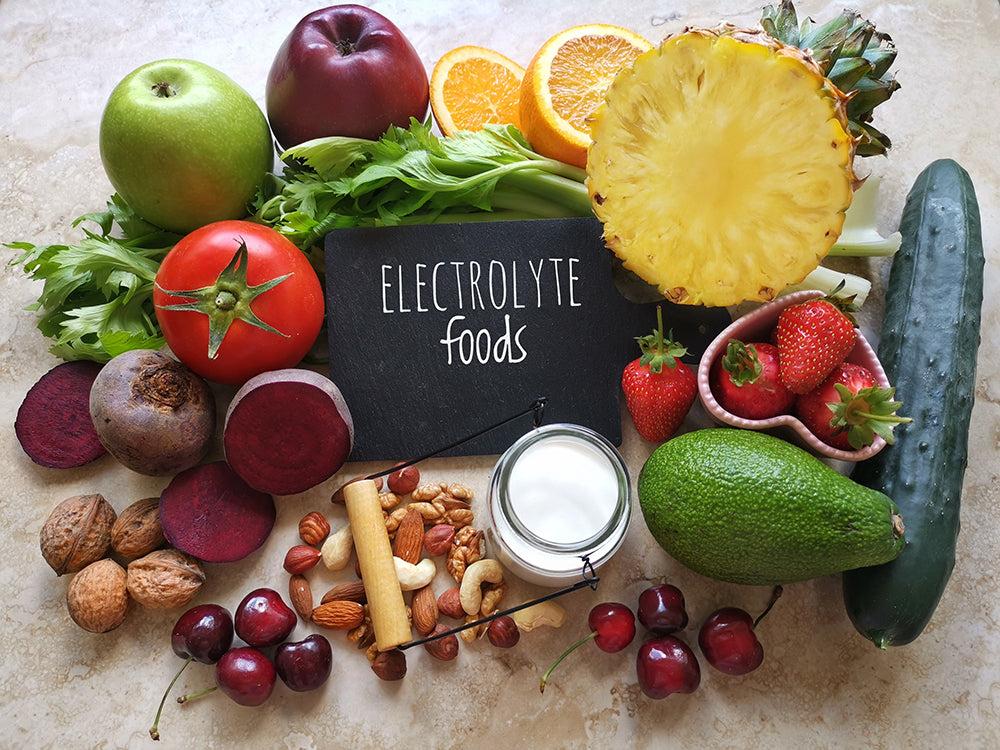
About Electrolytes
Electrolytes are minerals that carry an electric charge and are essential for many body functions.
Key electrolytes include sodium, potassium, magnesium, calcium, and chloride.
Why Are Electrolytes Important?
Electrolytes regulate hydration, support nerve signals, control muscle contractions, and maintain pH balance in the body.
Benefits of Electrolytes
- Maintain hydration
- Support muscle function
- Help nerve signaling
- Balance fluids in the body
- Support energy and performance
Foods Rich in Electrolytes
- Bananas
- Coconut water
- Milk
- Spinach
- Potatoes
- Salt
- Oranges
Top 3 Electrolyte Sources
- Coconut Water – natural electrolyte drink
- Bananas – rich in potassium
- Milk – contains calcium and potassium
Electrolytes Daily Intake
| Electrolyte | Recommended Intake |
| Sodium | 1,500–2,300 mg |
| Potassium | 2,600–3,400 mg |
| Magnesium | 310–420 mg |
| Calcium | 1,000 mg |
Electrolyte Imbalance Symptoms
- Muscle cramps
- Fatigue
- Headaches
- Dehydration
- Irregular heartbeat
Too Many Electrolytes Risks
- Fluid imbalance
- High blood pressure (too much sodium)
- Heart issues (severe imbalance)
Electrolyte Supplements
Electrolyte drinks and powders are commonly used during exercise or in hot weather to prevent dehydration.
They are especially useful for athletes or people who sweat heavily.
Related Nutrients
FAQ
What do electrolytes do?
Electrolytes help control hydration, muscle function, and nerve signals.
Can I get electrolytes from food only?
Yes, fruits, vegetables, dairy, and salt provide electrolytes.
When do I need electrolyte drinks?
During intense exercise, hot weather, or dehydration.