About Protein
Protein is one of the main macronutrients and is made of amino acids, which are the building blocks of the body.
It is essential for muscles, tissues, enzymes, and hormones.
Why Is Protein Important?
Protein helps build and repair tissues, supports muscle growth, and plays a key role in many body functions.
Benefits of Protein
- Supports muscle growth
- Helps tissue repair
- Supports immune function
- Helps maintain healthy weight
- Supports enzyme and hormone production
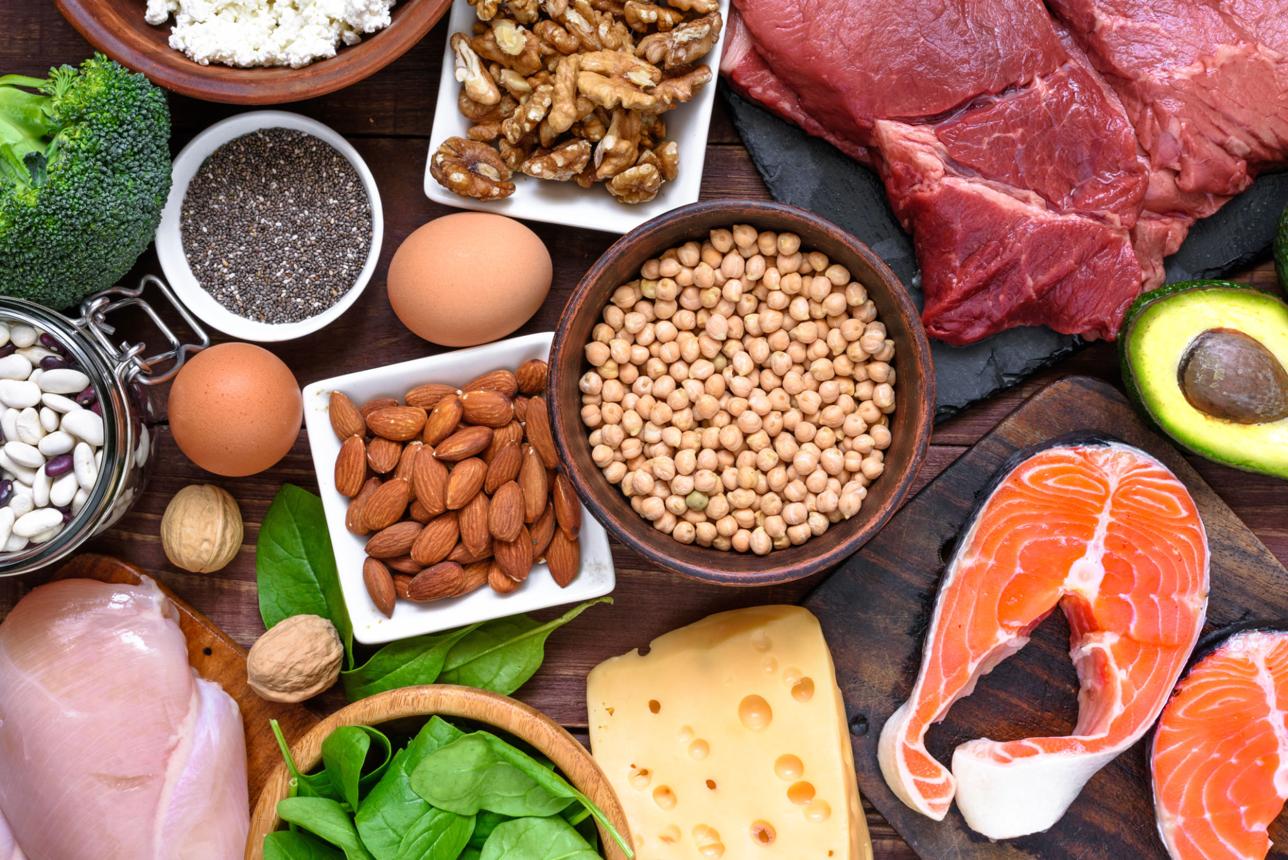
High Protein Foods
- Chicken breast
- Beef
- Eggs
- Fish (salmon, tuna)
- Greek yogurt
- Lentils
- Tofu
Top 3 High Protein Foods
- Chicken Breast – lean and high in protein
- Eggs – complete protein source
- Greek Yogurt – high protein and calcium
Protein Daily Intake
| Group | Recommended Daily Intake |
| Adults | 0.8 g per kg body weight |
| Active Individuals | 1.2–2.0 g per kg |
| Children | 1.0–1.5 g per kg |
Protein Deficiency Symptoms
- Muscle loss
- Weakness
- Fatigue
- Hair loss
- Slow recovery
High Protein Risks
- Digestive issues
- Kidney strain (very high intake)
- Imbalance in diet
Protein Supplements
Protein supplements like whey, casein, or plant protein powders can help meet daily protein needs.
They are useful for athletes or people who struggle to get enough protein from food.
Related Nutrients
FAQ
What happens if I don’t get enough protein?
Low protein may lead to muscle loss, weakness, fatigue, and slower recovery.
Can I get protein from food only?
Yes, meat, fish, eggs, dairy, legumes, and plant foods provide protein.
Is protein important for muscle growth?
Yes, protein provides amino acids needed for muscle repair and growth.