About Glutamine
Glutamine is a conditionally essential amino acid, meaning the body usually makes enough, but needs may increase during stress or illness.
It is the most abundant amino acid in the body and plays a key role in recovery and health.
Why Is Glutamine Important?
Glutamine supports muscle repair, gut lining health, and helps fuel immune cells during stress and recovery.
Benefits of Glutamine
- Supports muscle recovery
- Supports gut health
- Supports immune system
- Helps reduce muscle breakdown
- Supports recovery after exercise
Foods Rich in Glutamine
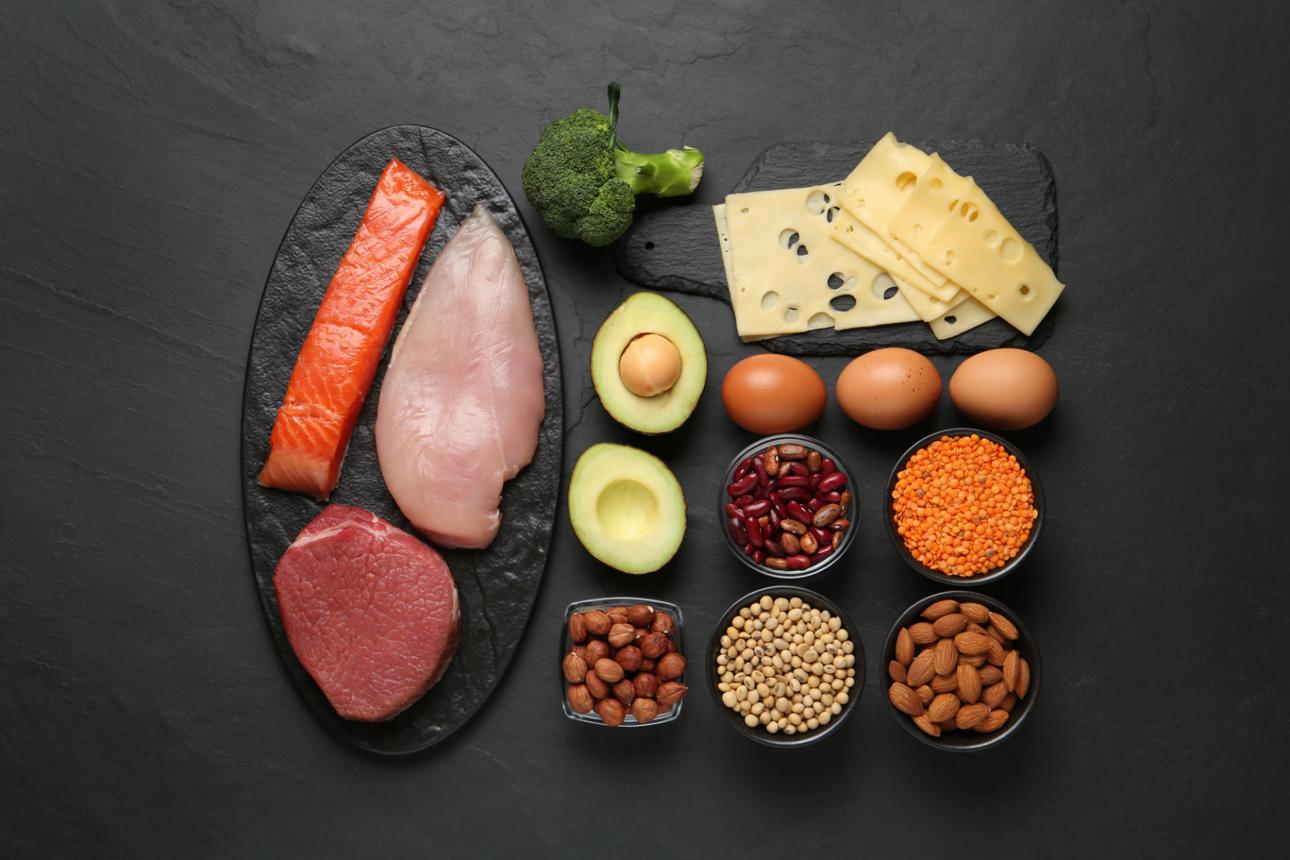
- Beef
- Chicken
- Eggs
- Dairy products
- Fish
- Cabbage
- Spinach
Top 3 Sources of Glutamine
- Beef – rich in protein and glutamine
- Eggs – complete amino acid source
- Dairy Products – provide glutamine and protein
Glutamine Daily Intake
| Group | Common Daily Amount |
| General Use | 5 g per day |
| Active Individuals | 5–10 g per day |
Low Glutamine Signs
- Slow recovery
- Weak immune system
- Gut issues
- Fatigue
Glutamine Supplement Risks
- Digestive discomfort
- Not needed for most people
- May not benefit everyone
Glutamine Supplements
Glutamine supplements are often used by athletes to support recovery and gut health.
Most people get enough glutamine from protein-rich foods.
Related Nutrients
FAQ
What does glutamine do?
Glutamine supports muscle recovery, gut health, and immune function.
Can I get glutamine from food only?
Yes, meat, dairy, eggs, and vegetables provide glutamine.
Do I need glutamine supplements?
Not always. Most people get enough from a balanced diet.