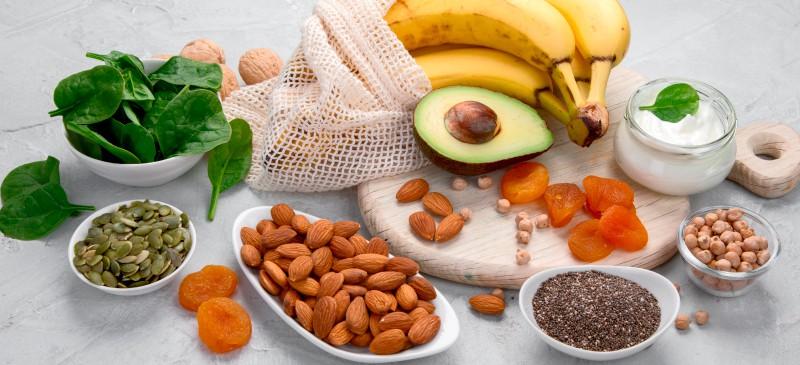
About Manganese
Manganese is a trace mineral required in small amounts for normal body function.
It plays a role in metabolism, bone formation, and antioxidant defense.
Why Is Manganese Important?
Manganese helps the body process nutrients, supports bone health, and contributes to protecting cells from damage.
Benefits of Manganese
- Supports metabolism
- Helps bone development
- Acts as an antioxidant
- Supports wound healing
- Helps enzyme function
Foods Rich in Manganese
- Whole grains
- Brown rice
- Oats
- Nuts (almonds, pecans)
- Spinach
- Tea
- Legumes
Top 3 Foods Highest in Manganese
- Whole Grains – one of the best sources of manganese
- Nuts – rich in manganese and healthy fats
- Oats – excellent everyday source
Manganese Daily Intake
| Group | Recommended Daily Intake |
| Adult Men | 2.3 mg |
| Adult Women | 1.8 mg |
| Children | 1.2–1.9 mg |
Manganese Deficiency Symptoms
- Poor bone growth
- Weakness
- Impaired metabolism
- Slow wound healing
Manganese Overdose Risks
- Nervous system problems (very high levels)
- Toxicity from long-term exposure
- Possible coordination issues
Manganese Supplements
Supplements are usually not needed because most diets provide enough manganese.
High intake should be avoided, especially from supplements.
Related Vitamins and Minerals
FAQ
What happens if I don’t get enough manganese?
Deficiency may affect bone health, metabolism, and healing.
Can I get manganese from food only?
Yes, whole grains, nuts, legumes, and vegetables provide enough.
Is manganese important for bones?
Yes, it plays a role in bone development and health.