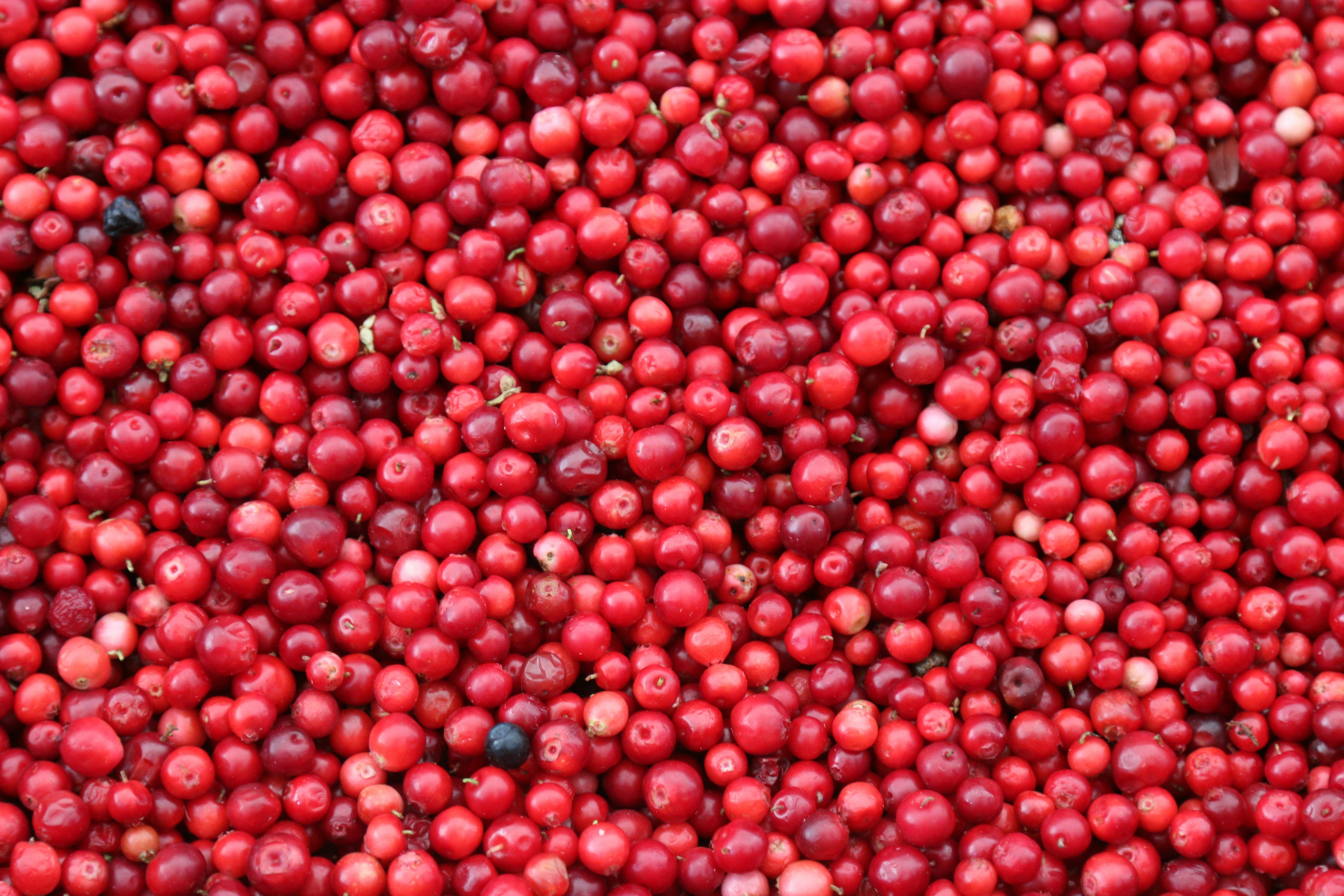
About Cranberry
Cranberries are small, sour berries that are often consumed as juice, dried snacks, or in sauces.
Due to their strong tart flavor, they are rarely eaten raw but are widely used in cooking and health products.
How Many Calories Are in Cranberry?
Cranberries contain about 46 calories per 100 grams, making them a low-calorie berry with powerful health properties.
Cranberry Nutrition Facts (per 100g)
| Calories | 46 kcal |
| Protein | 0.4 g |
| Fat | 0.1 g |
| Carbohydrates | 12 g |
| Fiber | 4.6 g |
| Sugar | 4 g |
| Water | 87% |
Vitamins and Minerals
Health Benefits of Cranberry
- Supports urinary tract health
- Rich in antioxidants
- Supports immune system
- May support heart health
- Helps fight bacteria
- Supports digestion
Calories in Different Portions
- 100g of cranberries - 46 kcal
- 1 cup cranberries - about 51 kcal
- 10 cranberries - about 5 kcal
- 1 serving cranberries - about 50 kcal
Popular Cranberry Dishes
- Cranberry juice
- Dried cranberries
- Cranberry sauce
- Cranberry smoothies
- Cranberry desserts
- Cranberry salads
Is Cranberry Good for Weight Loss?
Yes, cranberries are low in calories and high in fiber, but dried or sweetened cranberry products may contain added sugar, so choose carefully.
Additional Facts
- Cranberries are naturally very sour.
- They are often consumed as juice or dried fruit.
- Popular during holiday meals.
- Known for supporting urinary health.
Possible Downsides
Pure cranberries are very tart, and many cranberry products contain added sugar. Excess consumption may also affect people prone to kidney stones.
FAQ
How many calories are in cranberries?
About 46 kcal per 100g.
Are cranberries healthy?
Yes, they are rich in antioxidants and support urinary tract health.
Can I eat cranberries every day?
Yes, but it's best to choose unsweetened forms to avoid excess sugar.