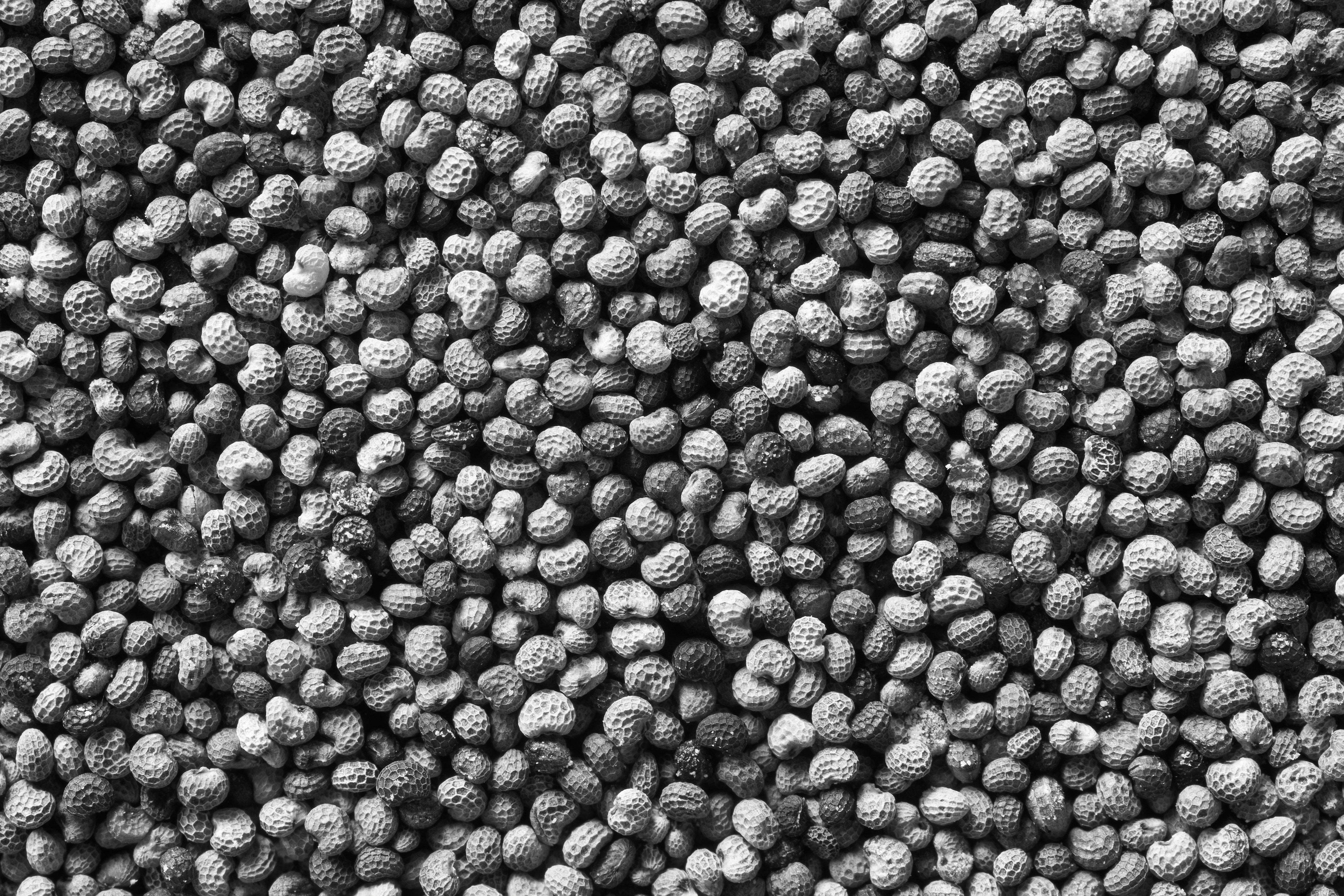
About Poppy Seeds
Poppy seeds come from the poppy plant and are commonly used in baking and cooking around the world.
They have a mild nutty flavor and are often added to bread and desserts.
How Many Calories Are in Poppy Seeds?
Poppy seeds contain around 525 calories per 100 grams, making them a high-energy and nutrient-dense food.
Poppy Seeds Nutrition Facts (per 100g)
| Calories | 525 kcal |
| Protein | 18 g |
| Fat | 42 g |
| Carbohydrates | 28 g |
| Fiber | 20 g |
| Sugar | 3 g |
| Water | 5% |
Vitamins and Minerals
- Calcium - 1438 mg
- Magnesium - 347 mg
- Phosphorus - 870 mg
- Iron - 9.8 mg
- Zinc - 7.9 mg
- Vitamin B1 - 0.85 mg
Health Benefits of Poppy Seeds
- Very high in calcium
- Supports bone health
- Rich in fiber
- Supports digestion
- Contains antioxidants
- Supports heart health
Calories in Different Portions
- 100g poppy seeds - 525 kcal
- 1 tablespoon poppy seeds (9g) - ~47 kcal
- 2 tablespoons poppy seeds (18g) - ~95 kcal
- 1 teaspoon poppy seeds (5g) - ~26 kcal
Popular Ways to Eat Poppy Seeds
- In baked goods
- On bread and rolls
- In desserts
- In salads
- Traditional recipes
- Healthy dishes
Are Poppy Seeds Good for Weight Loss?
Poppy seeds can support weight loss when eaten in moderation, as they are rich in fiber but also high in calories.
Additional Facts
- Very rich in calcium
- Used worldwide in baking
- Small but highly nutrient-dense
- Have a mild nutty flavor
Possible Downsides
Poppy seeds are high in calories and may contain trace compounds from the poppy plant, so they should be consumed in moderation.
FAQ
Are poppy seeds healthy?
Yes, they are rich in minerals and fiber.
Are poppy seeds good for bones?
Yes, due to their very high calcium content.
Can I eat poppy seeds every day?
Yes, but in moderate amounts.