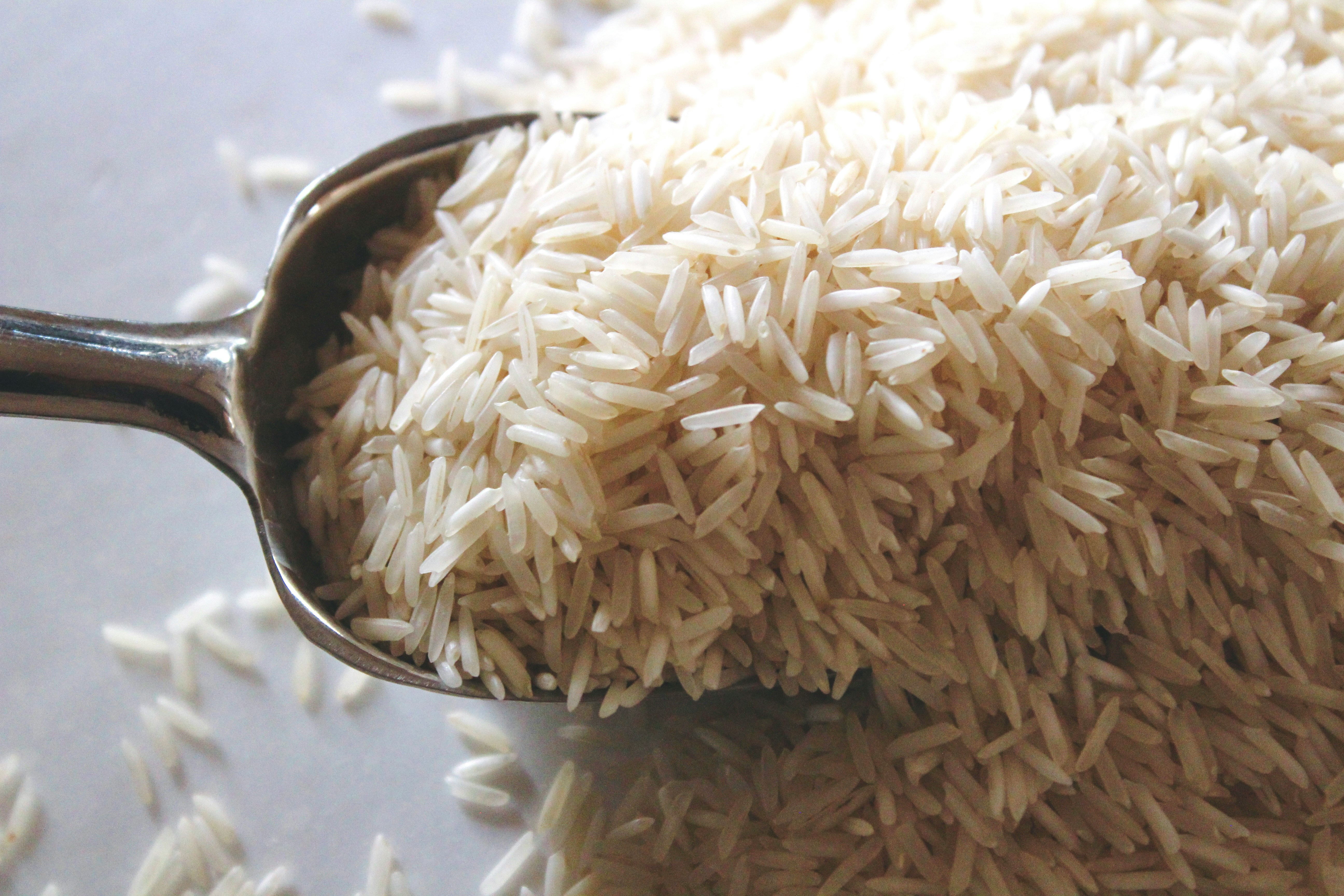
About Rice
Rice is a staple food for more than half of the world’s population and is available in many varieties such as white, brown, and jasmine rice.
It is valued for its versatility, mild flavor, and ability to provide quick energy.
How Many Calories Are in Rice?
Rice contains around 130 calories per 100 grams (cooked), making it a moderate-calorie and energy-rich food.
Rice Nutrition Facts (per 100g)
| Calories | 130 kcal |
| Protein | 2.7 g |
| Fat | 0.3 g |
| Carbohydrates | 28 g |
| Fiber | 0.4 g |
| Sugar | 0.1 g |
| Water | 68% |
Vitamins and Minerals
- Manganese - 0.7 mg
- Magnesium - 12 mg
- Phosphorus - 43 mg
- Iron - 0.2 mg
- Vitamin B1 - 0.02 mg
- Vitamin B3 - 0.4 mg
Health Benefits of Rice
- Provides quick energy
- Easy to digest
- Gluten-free grain
- Supports muscle recovery
- Good for sensitive stomachs
- Versatile in many diets
Calories in Different Portions
- 100g cooked rice - 130 kcal
- 1 cup cooked rice (200g) - ~260 kcal
- 1/2 cup cooked rice (100g) - ~130 kcal
- 1 tablespoon cooked rice (20g) - ~26 kcal
Popular Ways to Eat Rice
- Boiled rice
- Fried rice
- Rice bowls
- Sushi
- Rice pudding
- Side dishes
Are Rice Good for Weight Loss?
Rice can be part of a weight loss diet when eaten in controlled portions. Brown rice is often preferred due to its higher fiber content.
Additional Facts
- Staple food for billions of people
- Available in white and whole grain varieties
- Common in Asian, Mediterranean, and global cuisines
- Long shelf life when dry
Possible Downsides
White rice is lower in fiber compared to whole grains. Excessive consumption may lead to blood sugar spikes.
FAQ
Is rice healthy?
Yes, rice can be part of a healthy diet, especially whole grain varieties like brown rice.
How many carbs are in rice?
Rice contains about 28g of carbohydrates per 100g (cooked).
Can I eat rice every day?
Yes, rice can be eaten daily in balanced portions.