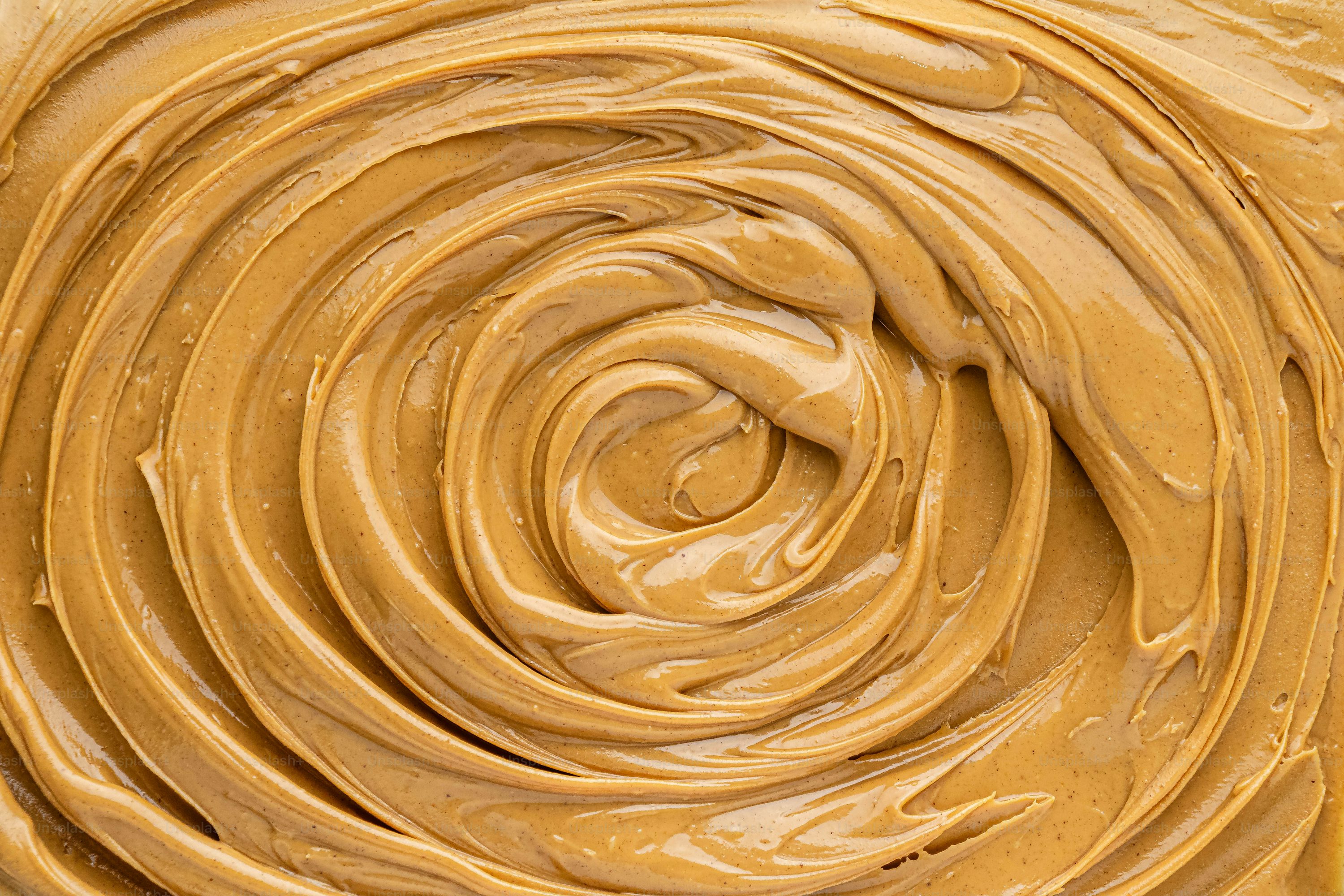
About Peanut Butter
Peanut butter is made by grinding roasted peanuts into a smooth or chunky paste. It is widely used in sandwiches, smoothies, desserts, and snacks.
Natural versions contain only peanuts, while processed types may include sugar, salt, and added oils.
How Many Calories Are in Peanut Butter?
Peanut butter contains around 588 calories per 100 grams, making it a high-energy food.
Peanut Butter Nutrition Facts (per 100g)
| Calories | 588 kcal |
| Protein | 25 g |
| Fat | 50 g |
| Carbohydrates | 20 g |
| Fiber | 6 g |
| Sugar | 9 g |
| Water | 1% |
Vitamins and Minerals
- Niacin (B3) - 13 mg
- Magnesium - 170 mg
- Phosphorus - 350 mg
- Potassium - 650 mg
- Iron - 2 mg
- Vitamin E - 9 mg
Health Benefits of Peanut Butter
- High in protein
- Rich in healthy fats
- Supports muscle growth
- Provides long-lasting energy
- Good for heart health
- Helps keep you full
Calories in Different Portions
- 100g peanut butter - 588 kcal
- 1 tablespoon (16g) - ~94 kcal
- 2 tablespoons (32g) - ~188 kcal
- 1 serving - ~190 kcal
Popular Ways to Eat Peanut Butter
- Sandwiches
- Smoothies
- Protein snacks
- Oatmeal
- Desserts
- Fruit dips
Is Peanut Butter Good for Weight Loss?
Peanut butter can support weight management when eaten in moderation, thanks to its protein and fat content that promote satiety.
Additional Facts
- Available in smooth or crunchy forms
- Natural versions contain no additives
- Popular worldwide
- Used in both sweet and savory dishes
Possible Downsides
Some peanut butter products contain added sugar, salt, and oils. It is calorie-dense, so portion control is important.
FAQ
Is peanut butter healthy?
Yes, especially natural versions with no added ingredients.
How much protein is in peanut butter?
About 25g per 100g.
Is peanut butter good for muscle building?
Yes, due to its protein and calorie content.